Why More Buyers Are Rethinking Their Flower Sourcing Models
Why More Buyers Are Rethinking Their Flower Sourcing Models
Following peak seasons is often a natural pause point for wholesalers, retailers and floral buyers. It is a moment to look back at what worked, what did not, and where pressure was felt.
Read More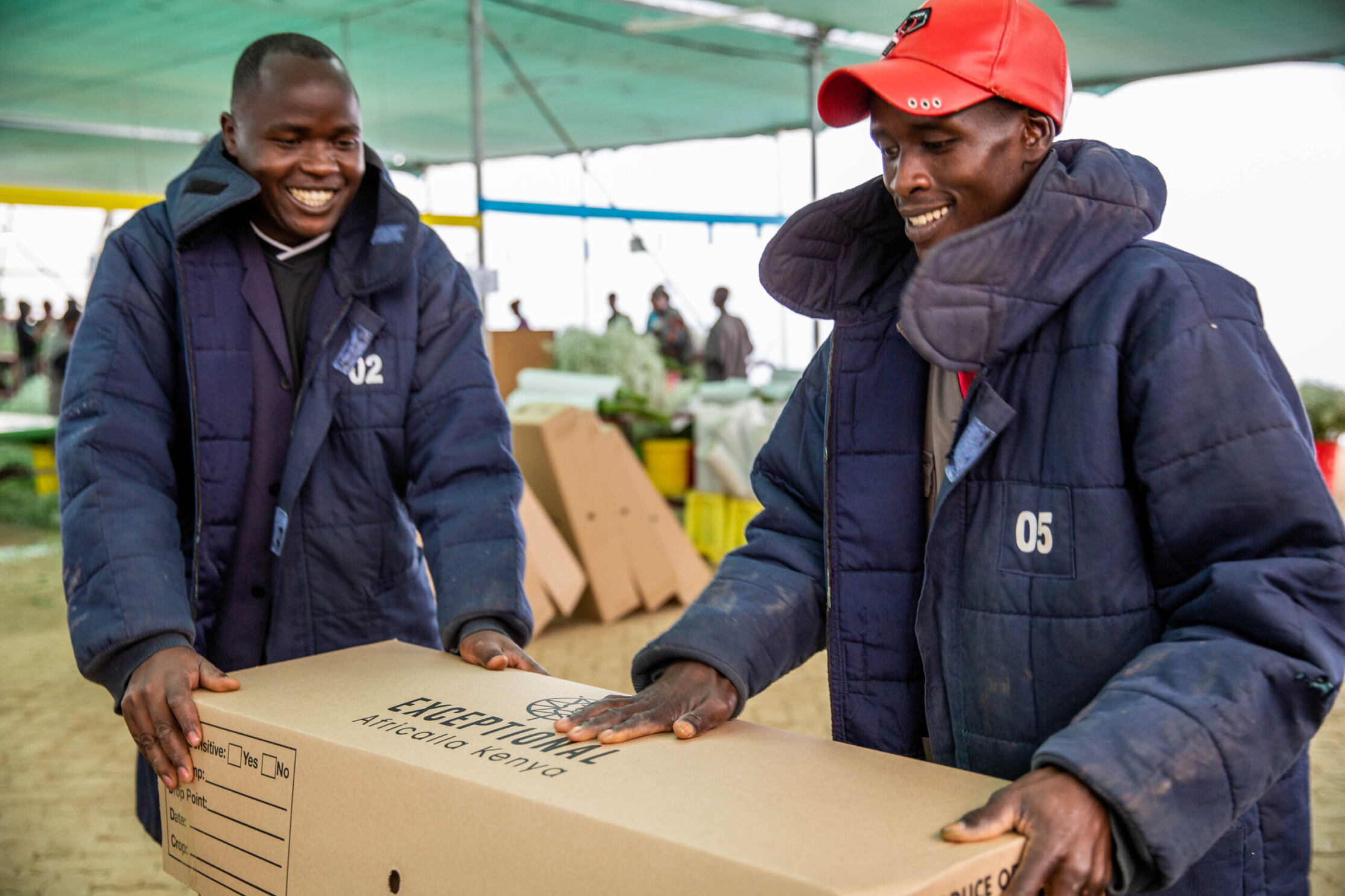


More and more, that reflection leads to one important question.
Is our current flower sourcing model still fit for purpose?
Across the global floriculture industry, buyers are reassessing how they source flowers, who they partner with, and how their floral supply chains are structured. This shift is not driven by one single issue. It is the result of rising complexity, tighter margins, growing sustainability expectations, and an increasing need for resilience.
Here are some of the key reasons why sourcing models are being rethought, and what many buyers are prioritising as they plan for the year ahead.
Increasing complexity in the floral supply chain
For many buyers, flower sourcing has gradually become more fragmented. Flowers may be purchased from multiple farms, through different agents, using several logistics routes, with separate documentation and invoices. While this can offer flexibility, it also increases administration, communication challenges, and
operational risk. Over peak periods, buyers often see clearly where complexity created inefficiencies. Delays in paperwork, inconsistent specifications, or unclear accountability between parties all add cost and reduce control. As a result, more buyers are exploring sourcing models that simplify the supply chain. They are
looking for partners who can consolidate sourcing, manage grower relationships on the ground, and provide a single point of coordination from farm to warehouse.
A shift toward reliability over lowest price
Price remains important. However, many buyers are recognising that the lowest unit price does not always represent the lowest overall cost. Inconsistent quality, short vase life, rejected product, substitutions, and delayed shipments all carry hidden costs. These impact labour, waste levels, customer satisfaction, and ultimately brand
reputation. More buyers are therefore prioritising sourcing models that deliver consistent quality and dependable supply. Working with fewer, stronger partners who can demonstrate structure, quality control, and accountability is increasingly seen as a smarter long-term strategy.
Rising expectations around sustainable flower sourcing
Sustainability is now a core part of buying decisions for many wholesalers and retailers. Buyers are being asked to demonstrate responsible sourcing, traceability, and compliance with recognised standards.
This is driving a reassessment of sourcing models. It is no longer sufficient to rely only on individual farm certifications. Buyers need confidence that responsible practices are maintained through packing, consolidation, handling, and export.
Sourcing models that offer documented traceability and transparency across the full supply chain are becoming more attractive.
Greater focus on planning and forecasting
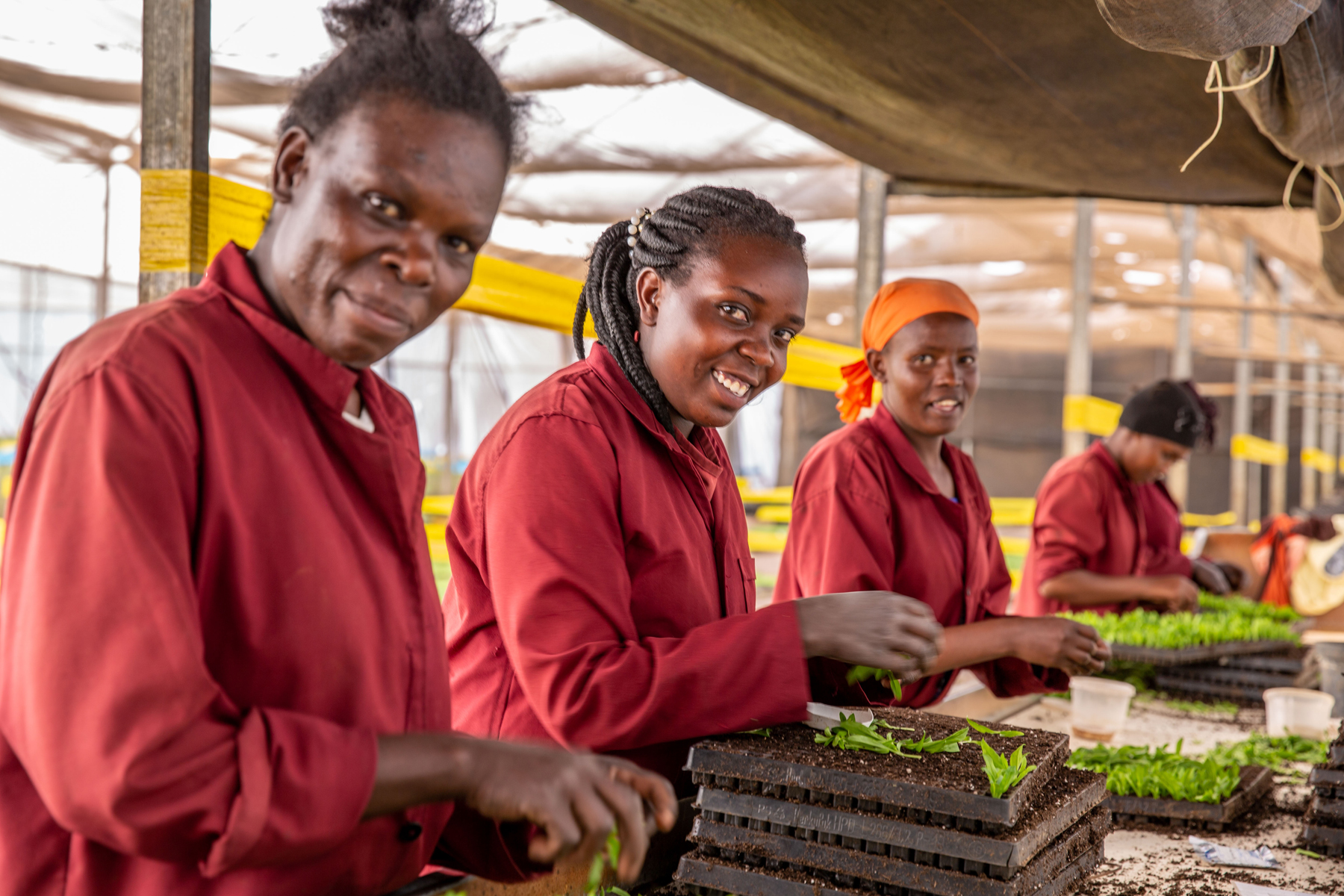
Following a peak season is also when many buyers begin mapping out volumes, promotions and upcoming peak periods. Reactive buying often leads to limited availability, higher cost, and reduced choice. Buyers are increasingly moving towards earlier planning and closer collaboration with supply partners. This requires sourcing models that support forecasting, twelve-month pricing that supports a portion of the peak period volume and early alignment with growers. Buyers are looking for partners with diversified grower networks and strong on-the-ground relationships that enable this level of planning.
Risk management as part of sourcing strategy
Weather variability, logistics disruption and geopolitical uncertainty have become familiar realities in the global flower trade. Rather than relying heavily on a narrow supply base, buyers are increasingly seeking sourcing models that offer diversification by region, altitude, and grower, while maintaining consistent specifications. Equally important is working with partners who have experience managing disruption and who communicate clearly and timely when conditions change. Partners who are proactive, rather than reactive.
What buyers are asking more often
After key peak periods, many buyers step back and ask practical questions about their sourcing structure.
Who is managing grower relationships on the ground?
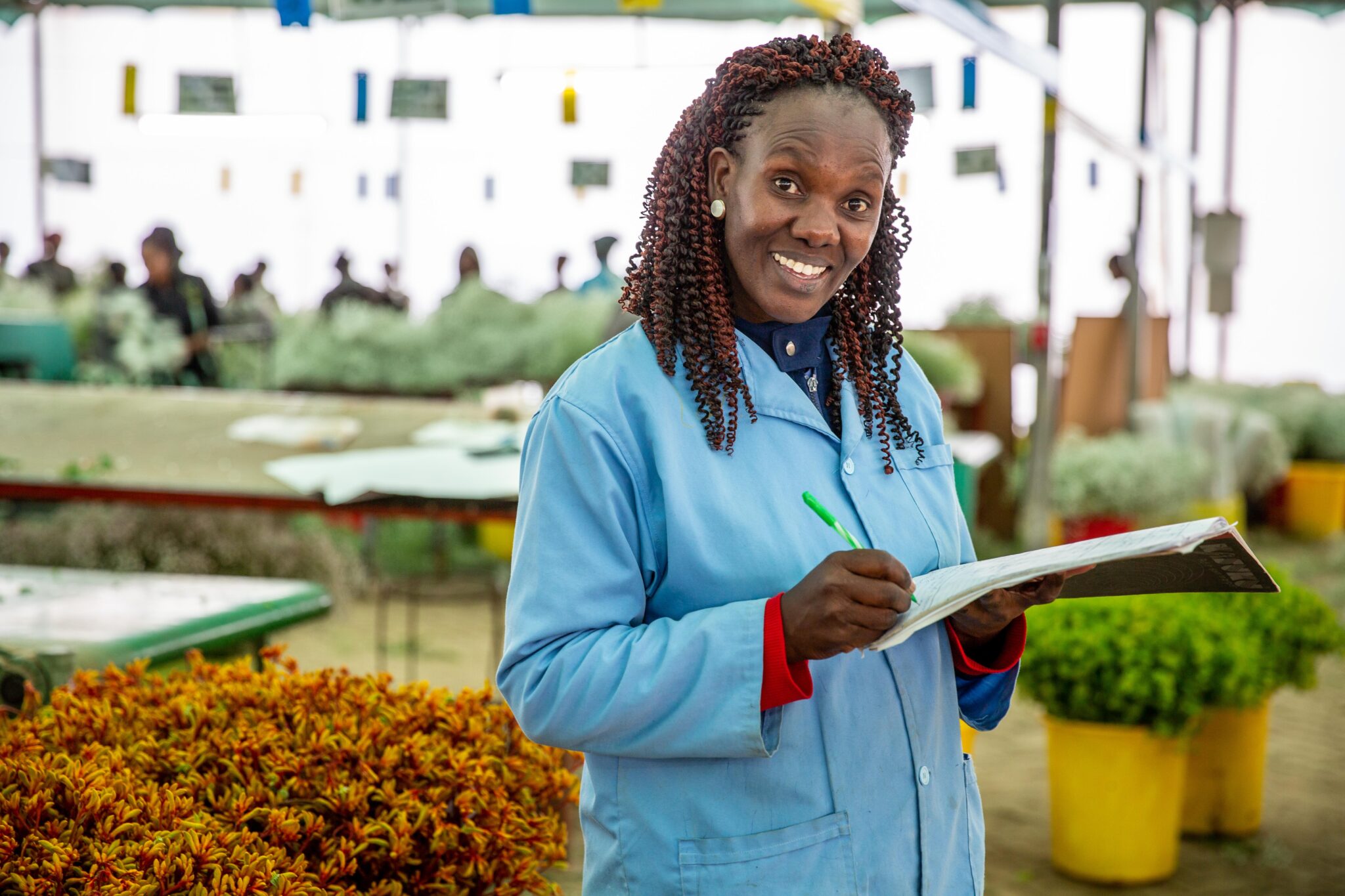
Who is accountable for quality before the flowers are exported?
How many parties are involved between farm and warehouse?
How visible is the supply chain?
How easy is it to plan ahead?
These questions help determine whether a sourcing model is supporting growth or creating friction.
Our perspective at The Flower Hub
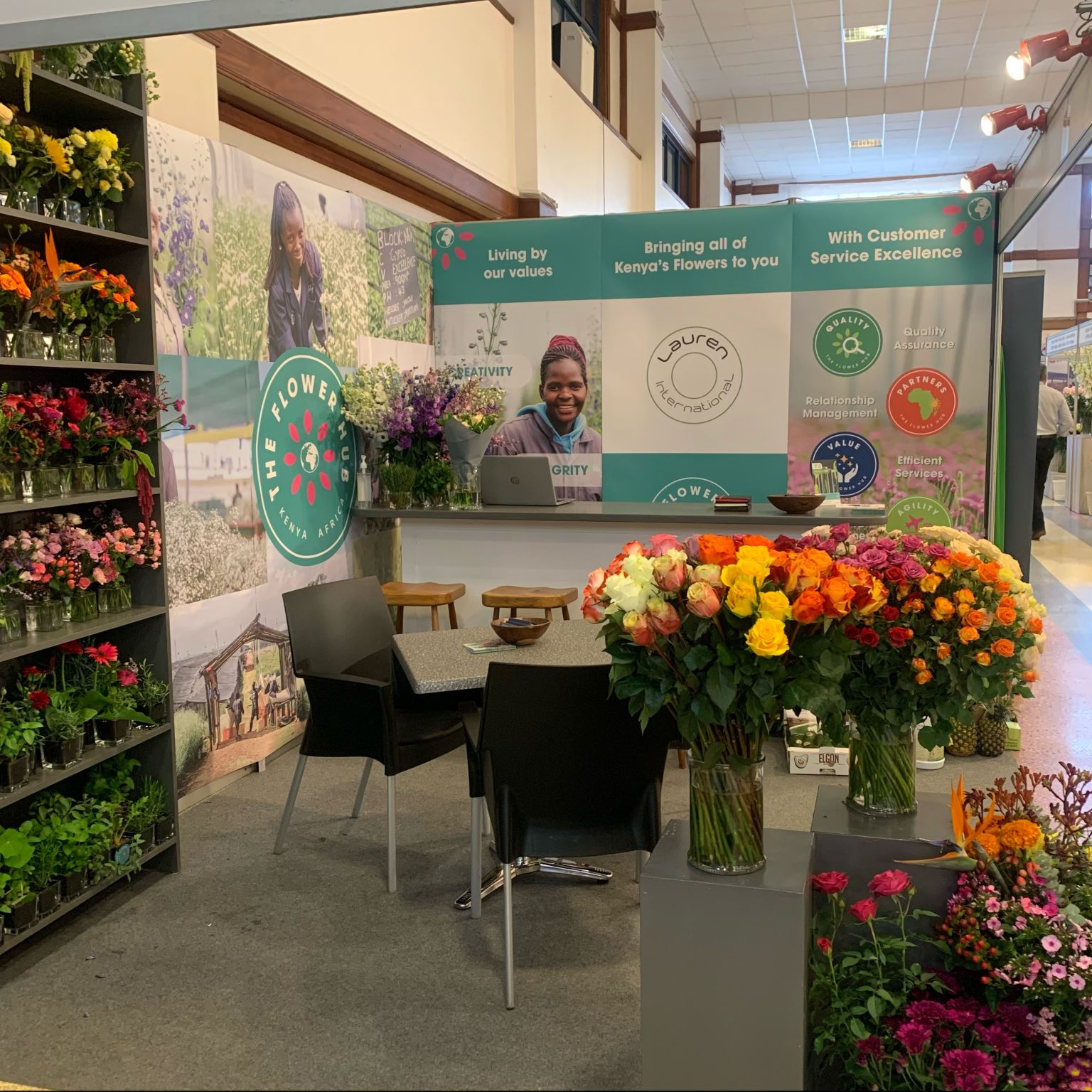
At The Flower Hub, we work with buyers who are moving toward simpler, more coordinated sourcing models. We do not grow flowers ourselves. This allows us to select growers based on client requirements and standards rather than internal production.
We manage sourcing, quality control, consolidation, documentation and logistics from Kenya, acting as a single point of coordination between growers and customers. Our aim is to reduce complexity, improve consistency, and support long-term planning.
If you are reviewing your flower sourcing strategy for the year ahead or exploring ways to simplify your supply chain, we would be happy to talk.
Please contact us at enquiries@theflowerhub.com.