Why Consistency Is Becoming the Most Valuable Currency in Wholesale Flowers
Why Consistency Is Becoming the Most Valuable Currency in Wholesale Flowers
In wholesale floriculture, price has always been an important factor. But across global markets, we are seeing a noticeable shift in how buyers define value.
Read More


More and more, consistency is becoming the deciding factor.
Consistency of quality. Consistency of supply. Consistency of service.
For wholesalers, retailers and bouquet packers, consistency underpins almost every operational decision. It affects planning, labour, waste levels, customer satisfaction and ultimately profitability. When consistency is strong, businesses run more smoothly. When it is not, even small disruptions quickly create knock-on effects.
So why is consistency rising in importance, and what does it mean in practical terms?
Complex supply chains magnify small issues
Flower supply chains are multi-layered by nature. A stem may pass through several hands before reaching a warehouse. Each stage introduces potential variation.
When quality fluctuates between shipments, wholesalers must adjust grading, packing and pricing. When arrival times change, labour schedules are disrupted. When specifications are not met, product may need to be reworked or written off.
Individually, these issues may seem manageable. Over time, they add significant cost.
This is why many buyers are moving away from models that prioritise opportunistic sourcing and toward models that prioritise dependable partners and stable specifications.
Consistency reduces operational friction
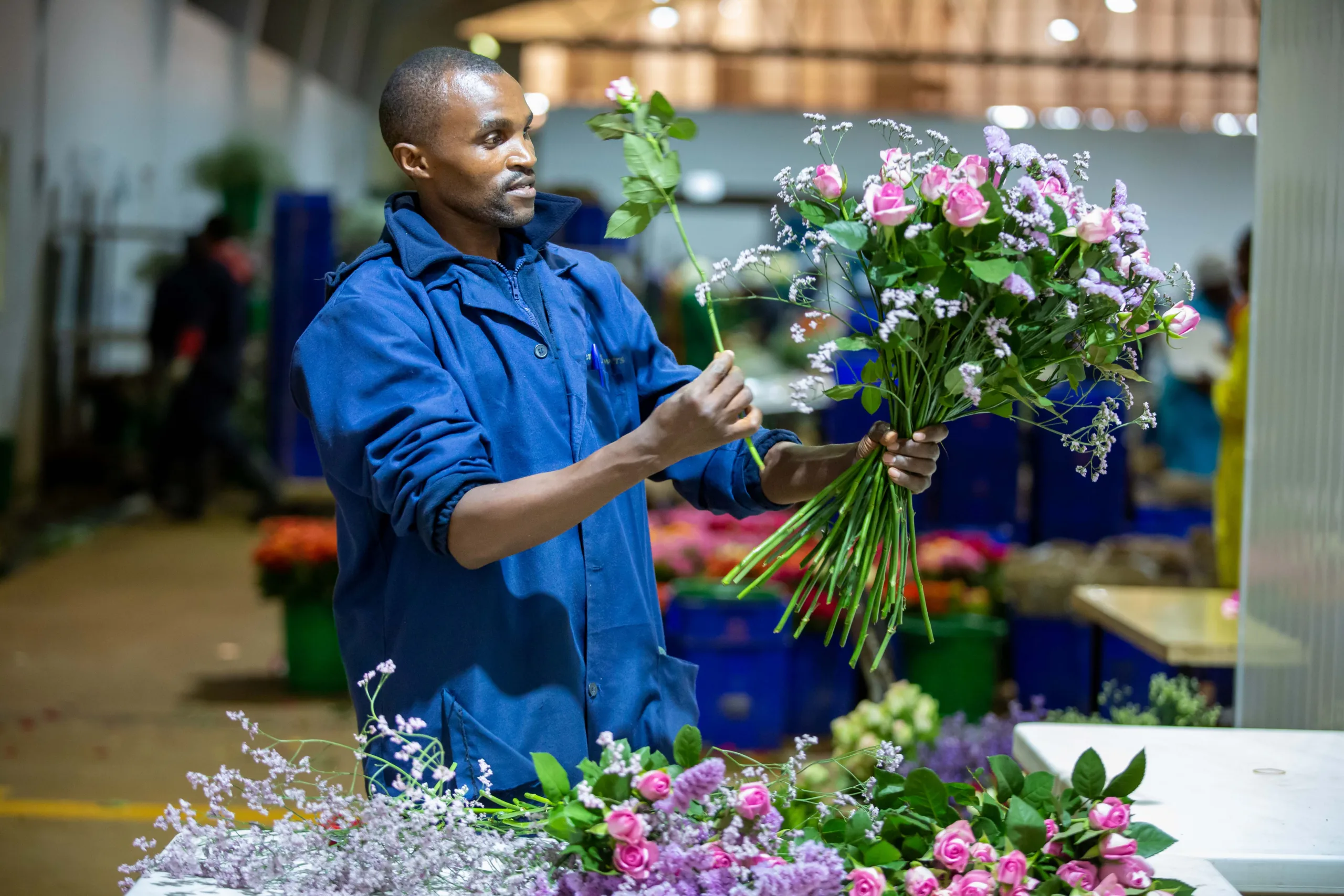
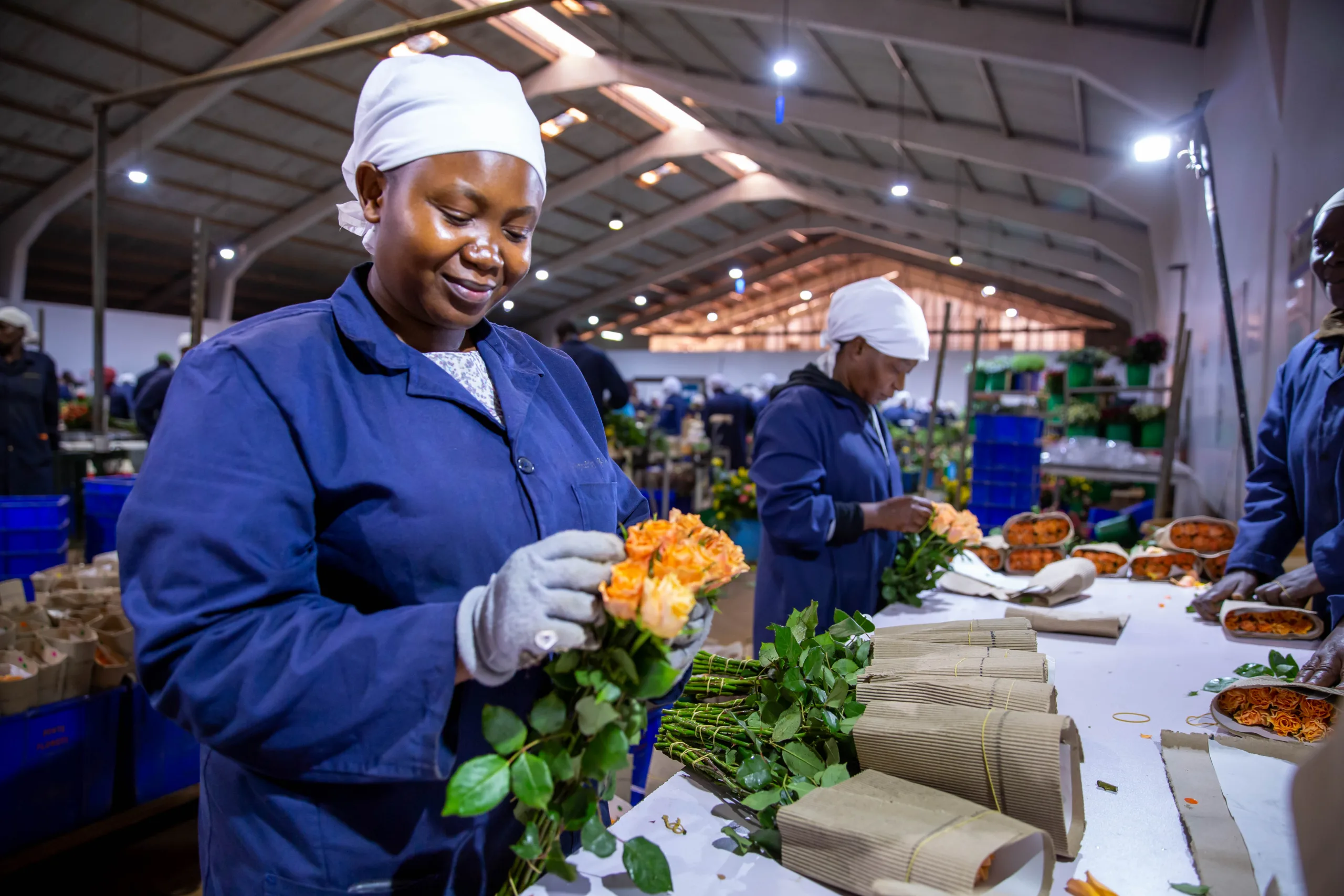
Consistent quality allows wholesalers to standardise processes. Staff know what to expect. Pack lines run more efficiently. Claims and disputes are reduced.
Consistent supply supports better forecasting and purchasing decisions. Buyers can commit to programmes, promotions and customers with greater confidence.
Consistent service builds trust. Clear communication, predictable documentation and reliable delivery windows simplify administration and reduce time spent firefighting.
In practice, consistency saves money even when the unit price is not the lowest available.
The hidden cost of inconsistency
The true cost of inconsistency rarely appears on an invoice.
It shows up as additional labour hours. Increased waste. Customer complaints. Lost shelf space. Emergency purchases at higher prices.
Over a peak season, these costs often exceed any short-term savings achieved through chasing lower prices.
This is why many experienced buyers now evaluate suppliers based on total cost of ownership rather than stem price alone.
Consistency is built, not guaranteed
Consistency does not happen by chance. It is the result of systems, relationships and daily discipline.
It starts with stable grower partnerships where expectations are clearly defined and understood.
It relies on regular quality monitoring on farm and during packing.
It depends on standardised specifications, clear communication and documented processes.
It also requires partners who understand the end market and can align production accordingly.
Buyers are increasingly seeking suppliers who can demonstrate how they achieve consistency, not simply promise it.
Diversification supports consistency
At first glance, diversification and consistency may seem contradictory. In reality, diversification is one of the foundations of consistency.
Working with multiple growers across different regions and altitudes reduces dependency on any single farm or microclimate. When one area experiences challenges, others can compensate.
However, diversification only works when it is coordinated. Specifications, grading standards and packing methods must be aligned across all growers involved.
This is why many buyers prefer sourcing models where diversification is managed centrally rather than independently by multiple parties.
Consistency and sustainability are connected
Sustainable farming practices support long-term consistency.
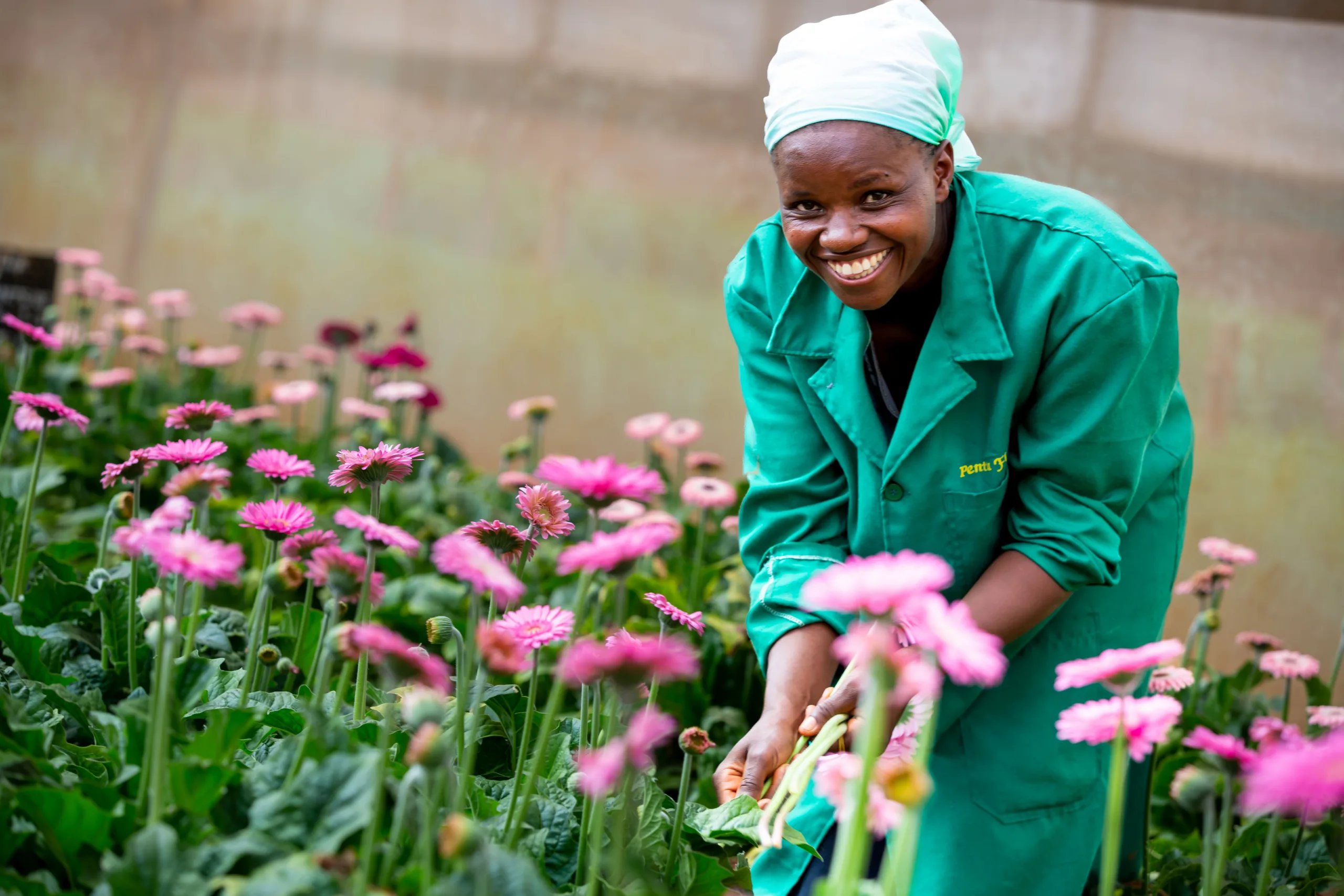
Healthy soils, responsible input management and stable labour conditions contribute to predictable crop performance.
Farms that invest in their people and environment are better positioned to deliver steady output over time.
For buyers, this means that sustainability is not only an ethical consideration. It is also a practical one.
Our perspective
At The Flower Hub, we see consistency as a core part of our role.
We work with carefully selected growers who share our standards and values.
We manage sourcing, quality control, consolidation, documentation and logistics from Kenya, providing a single point of coordination.
Our aim is to reduce variability, simplify the supply chain and support predictable outcomes for our clients.
Because in today’s wholesale flower market, consistency is not just desirable.
It is becoming the most valuable currency of all.
If you would like to talk about how we approach consistency and how it could support your sourcing strategy, please contact us at enquiries@theflowerhub.com.