What Buyers Often Miss When Comparing Flower Suppliers
What Buyers Often Miss When Comparing Flower Suppliers
When you compare flower suppliers, it is natural to focus on the obvious things first:
Price
Stem length
Bud size
Availability


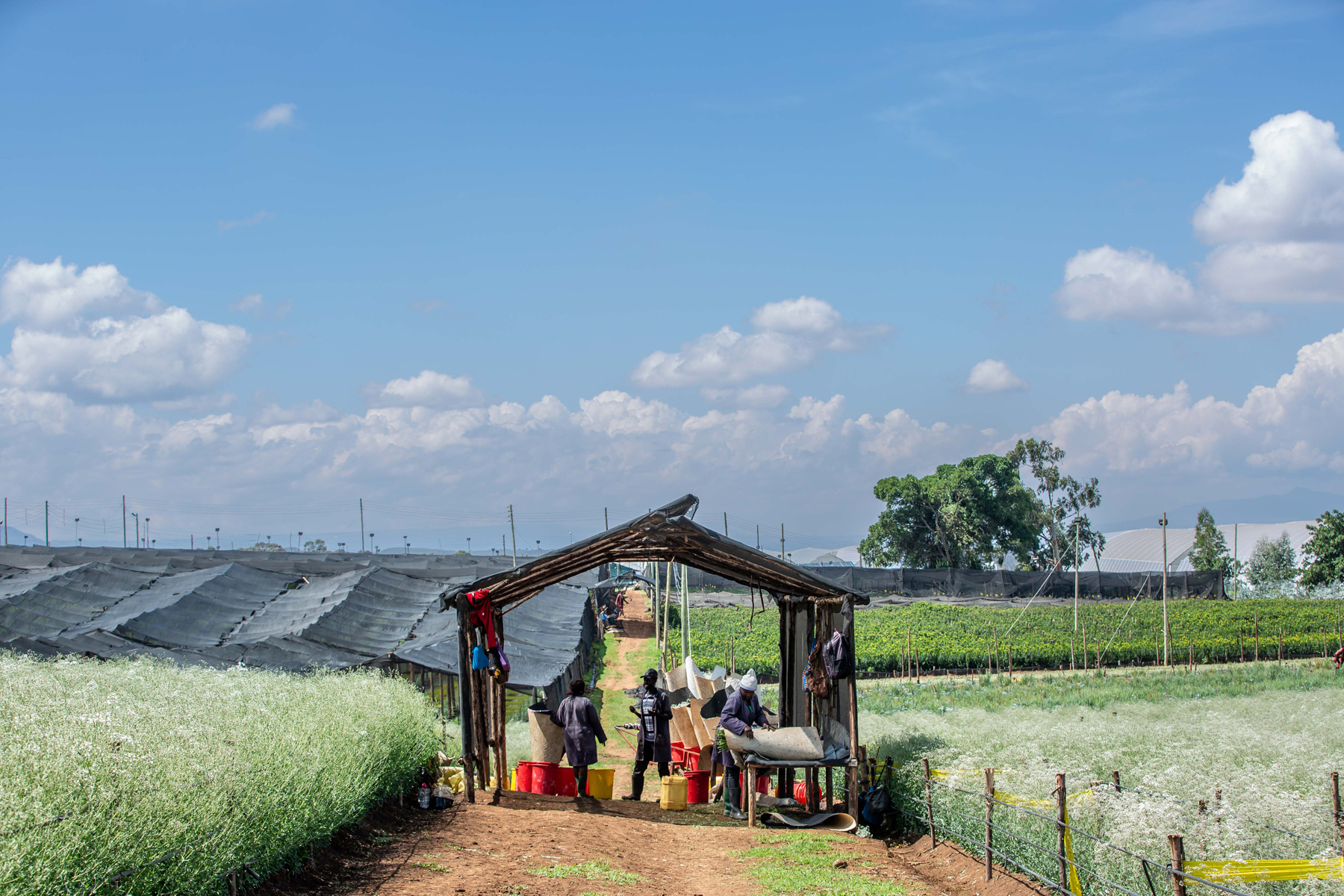

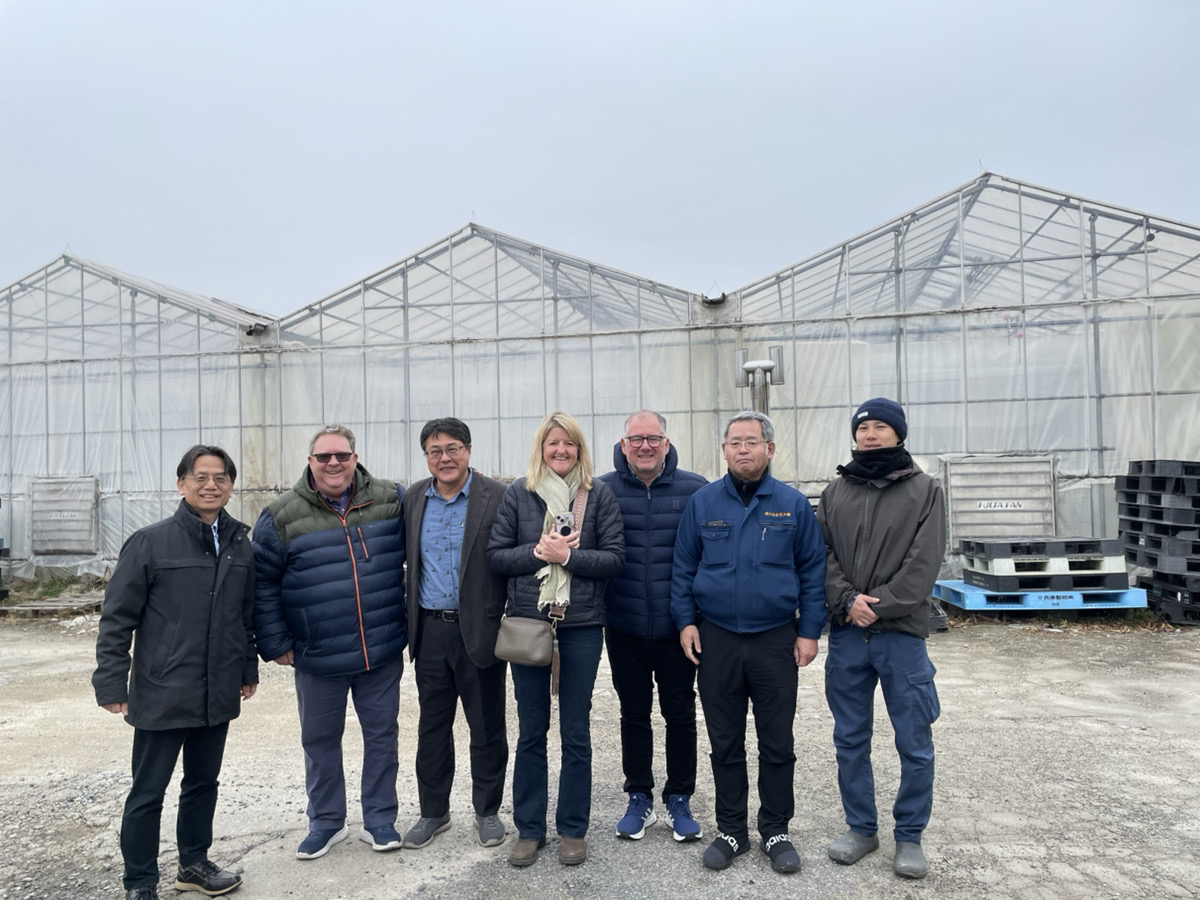

These are important, of course they are, but in our experience working with wholesalers, retailers and large buyers across multiple markets, these visible factors are only part of the picture.
What often gets missed are the hidden variables that ultimately determine whether a supplier makes your life easier or more complicated.
Let’s look at what really matters.
1. The Stability Behind the Price
Two suppliers may quote a similar price today. But what happens when freight rates fluctuate? When weather disrupts one region? When one grower experiences production issues?
A reliable supplier is not just offering flowers. They are offering supply stability.
When you evaluate a partner, it helps to ask:
- How diversified is their grower base?
• Do they rely heavily on one region or multiple regions?
• How do they manage freight risk?
• Can they maintain continuity when markets shift?
Short-term pricing rarely tells you how resilient that supplier truly is.
2. Who Actually Manages Quality
Quality is not just about what leaves the farm. It is about what arrives at your warehouse.
Many buyers compare suppliers based on specifications alone. But the real difference lies in process control:
- Are there consistent quality checks before dispatch?
• Is temperature monitored throughout handling?
• Are specifications clearly communicated and enforced?
• Is there a final verification before export?
The difference between a supplier who relies on growers to manage quality and one who actively oversees quality throughout the process can be significant.
For you as a wholesaler, that difference often shows up as fewer claims, less shrink and more predictable performance.
3. Administrative Complexity
This is one area buyers frequently underestimate.
How many invoices do you receive?
How many grower communications are you managing?
How many documents need to be consolidated?
A supplier that simplifies documentation, consolidates shipments and streamlines communication can quietly save your team hours each week.
Operational efficiency may not be visible on a price sheet, but it has a measurable impact on your internal cost structure.
4. Traceability and Transparency
In today’s market, certifications and traceability matter more than ever. Buyers are increasingly expected to demonstrate responsible sourcing, compliance, and accountability.
When comparing suppliers, it is worth asking:
- Can they clearly trace product back to source?
• Are certifications current and verifiable?
• Do they understand the compliance requirements of your market?
Transparency is not only about ethics. It is about protecting your own business and meeting the expectations of your customers.
5. Communication When Things Go Wrong
No supply chain is immune to disruption. Weather, freight, global events, and demand spikes can affect everyone.
What separates suppliers is how they respond.
Do they communicate early?
Do they offer alternatives?
Do they take ownership?
Do they bring problems to the table, or do they bring solutions?
A supplier who is proactive in challenging moments is often more valuable than one who appears flawless during easy periods.
6. Long-Term Commercial Alignment
Finally, buyers often compare suppliers transactionally rather than strategically.
Are you looking for a weekly vendor? Or a partner who understands your seasonal cycles, promotional peaks, and long-term plans?
When your supplier understands your demand patterns and pricing expectations across the year, planning becomes easier. Forecasting improves. Surprises decrease.
The strongest relationships in wholesale floriculture are built on communication, consistency, and alignment, not just availability.
Looking Beyond the Obvious
When you compare flower suppliers, the visible metrics matter. But the hidden systems behind those metrics matter even more.
Supply resilience.
Process control.
Administrative efficiency.
Traceability.
Communication.
Strategic alignment.
These are the factors that reduce risk and protect margin over time.
As you review your sourcing partnerships this year, it may be worth asking not only who offers the best price today, but who offers the most stability and clarity over the long term.
If you would like to discuss how our structure works in practice, or explore how we manage quality and coordination across multiple growers, we would be happy to share more.
You can reach us at enquiries@theflowerhub.com.