How We Match Specific Growers to Specific Client Requirements (and Why That Matters)
How We Match Specific Growers to Specific Client Requirements (and Why That Matters)
When you place an order with The Flower Hub™, you are not simply drawing from a pool of available stock. Behind every stem is a considered decision: which grower produced it, under what conditions, to what standard, and for which buyer. The matching of growers to clients is one of the most important things we do, and it is work that happens long before any order is placed.
Read More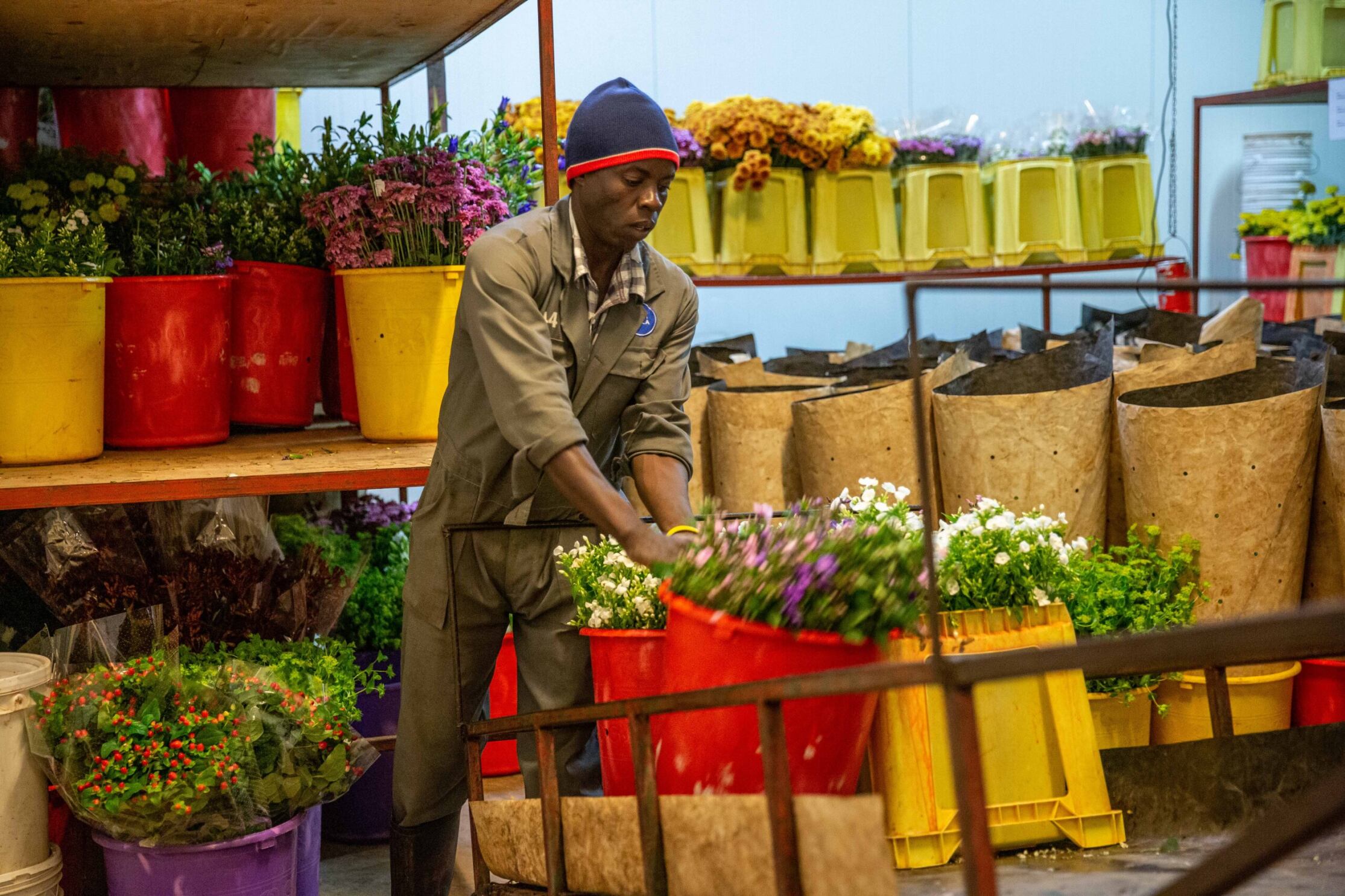
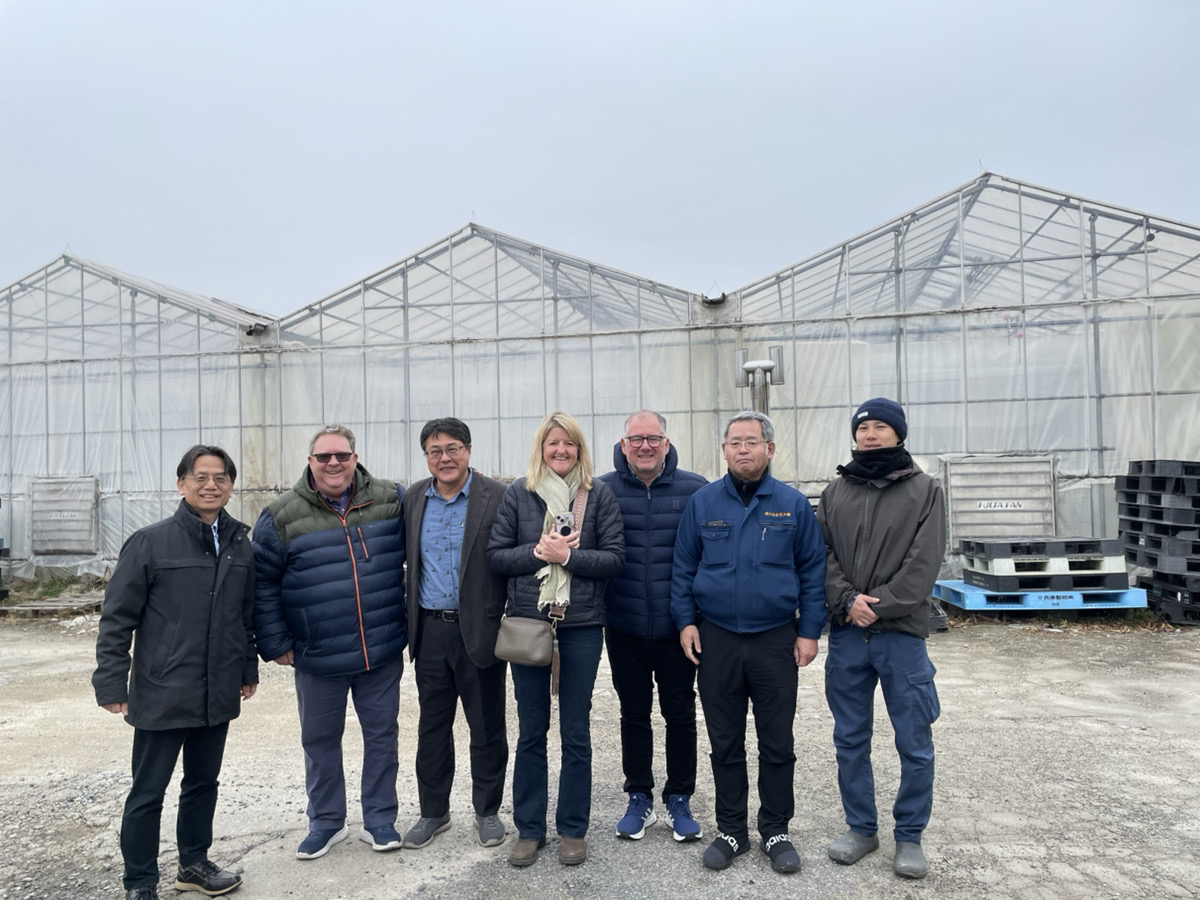
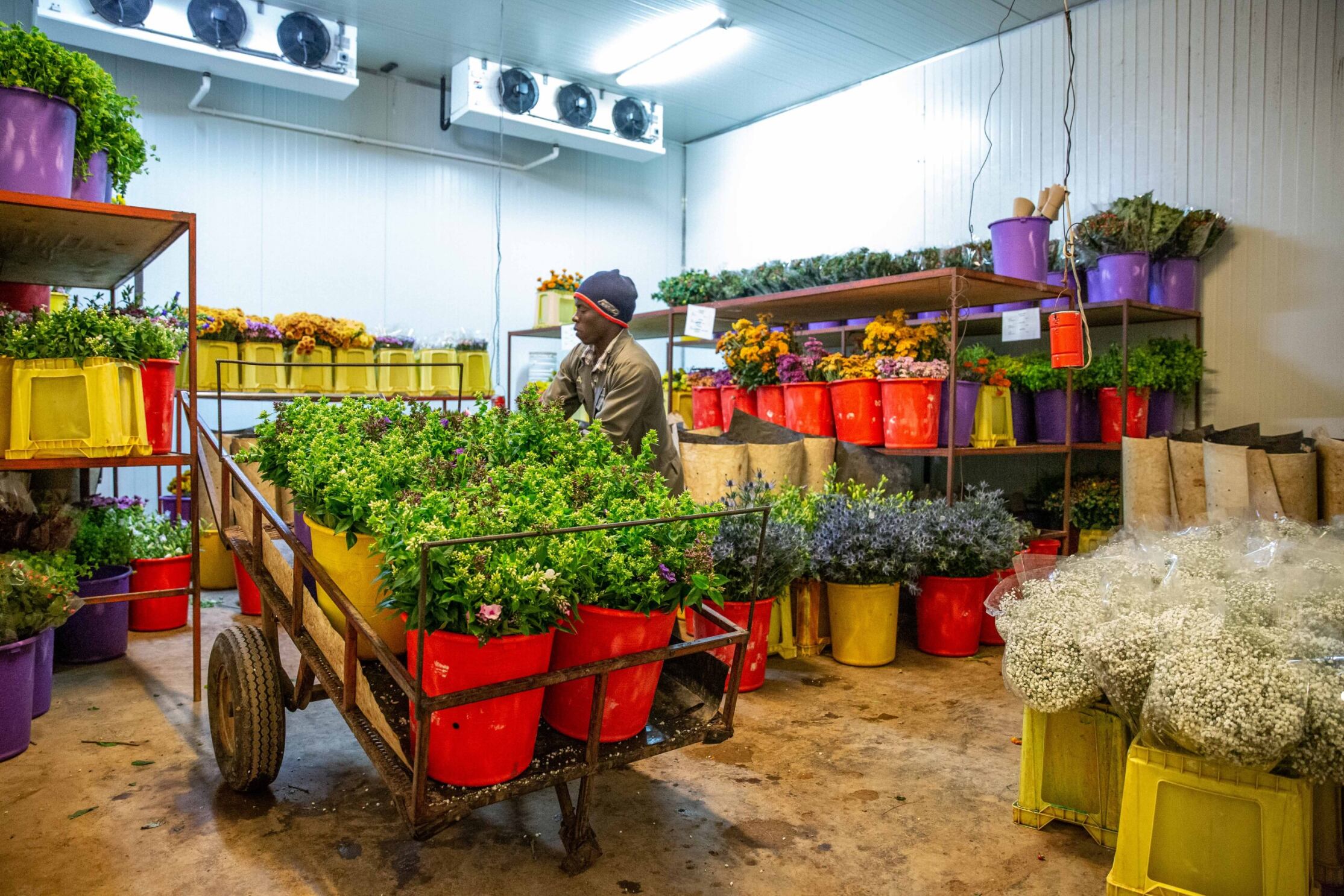
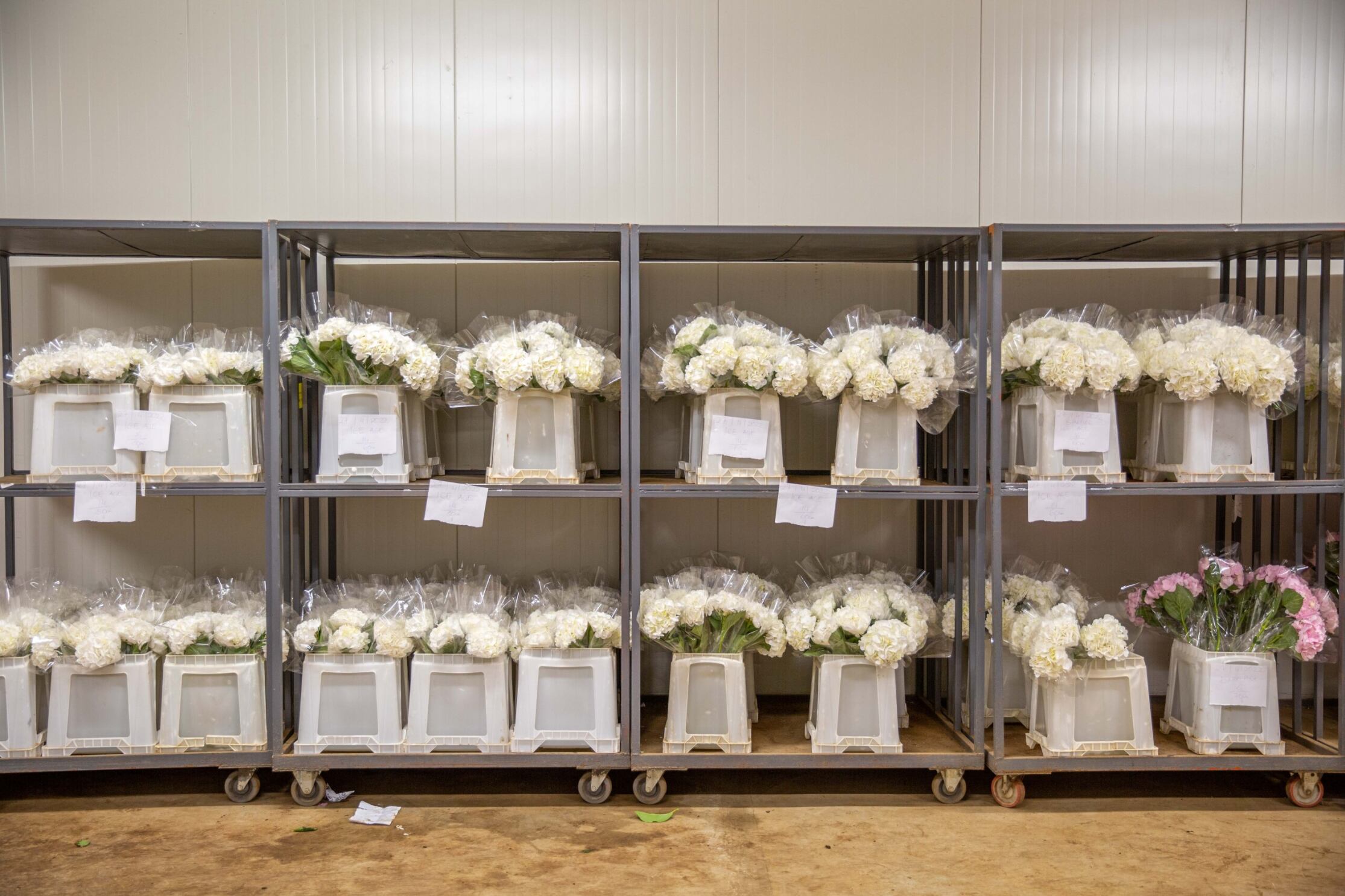
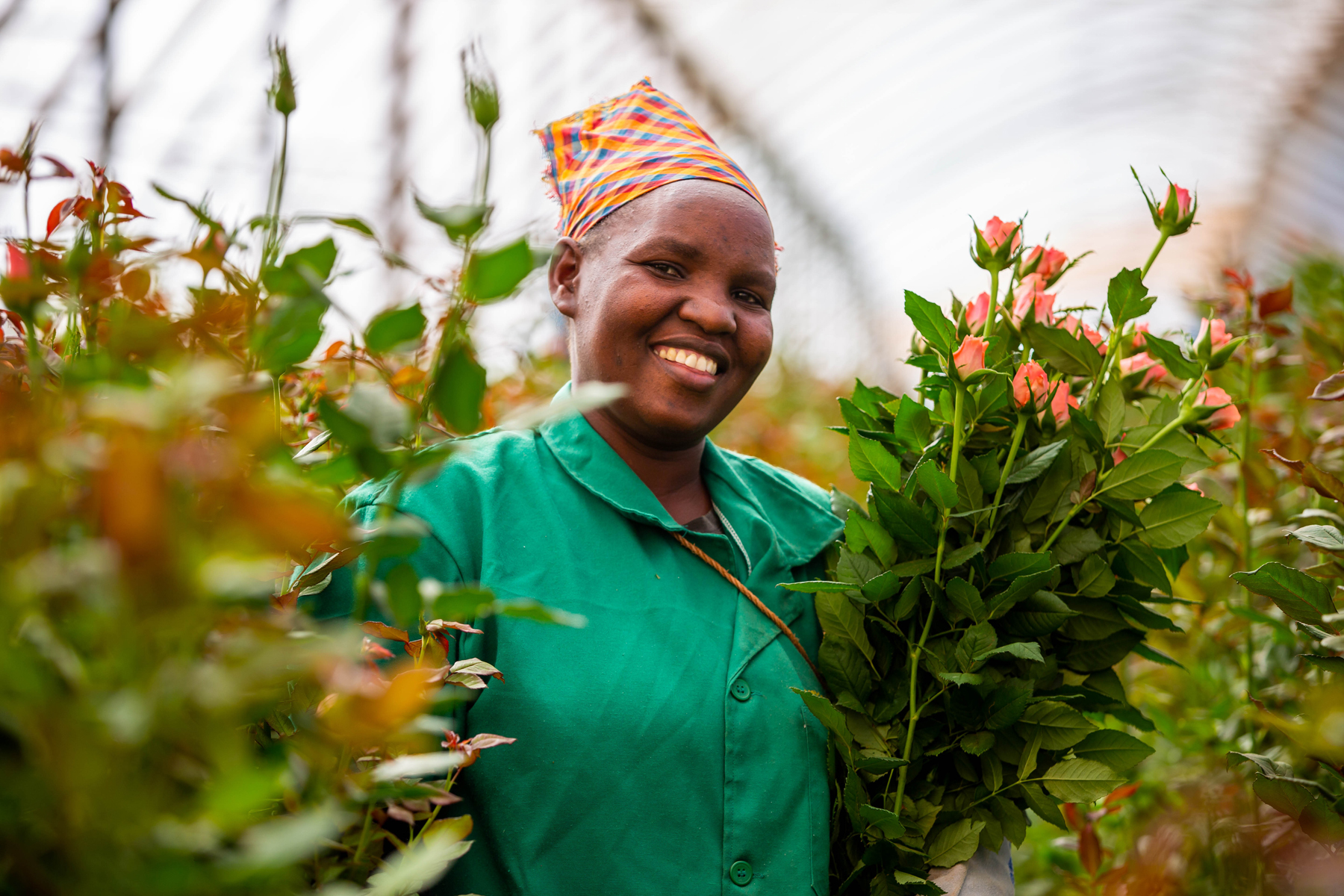
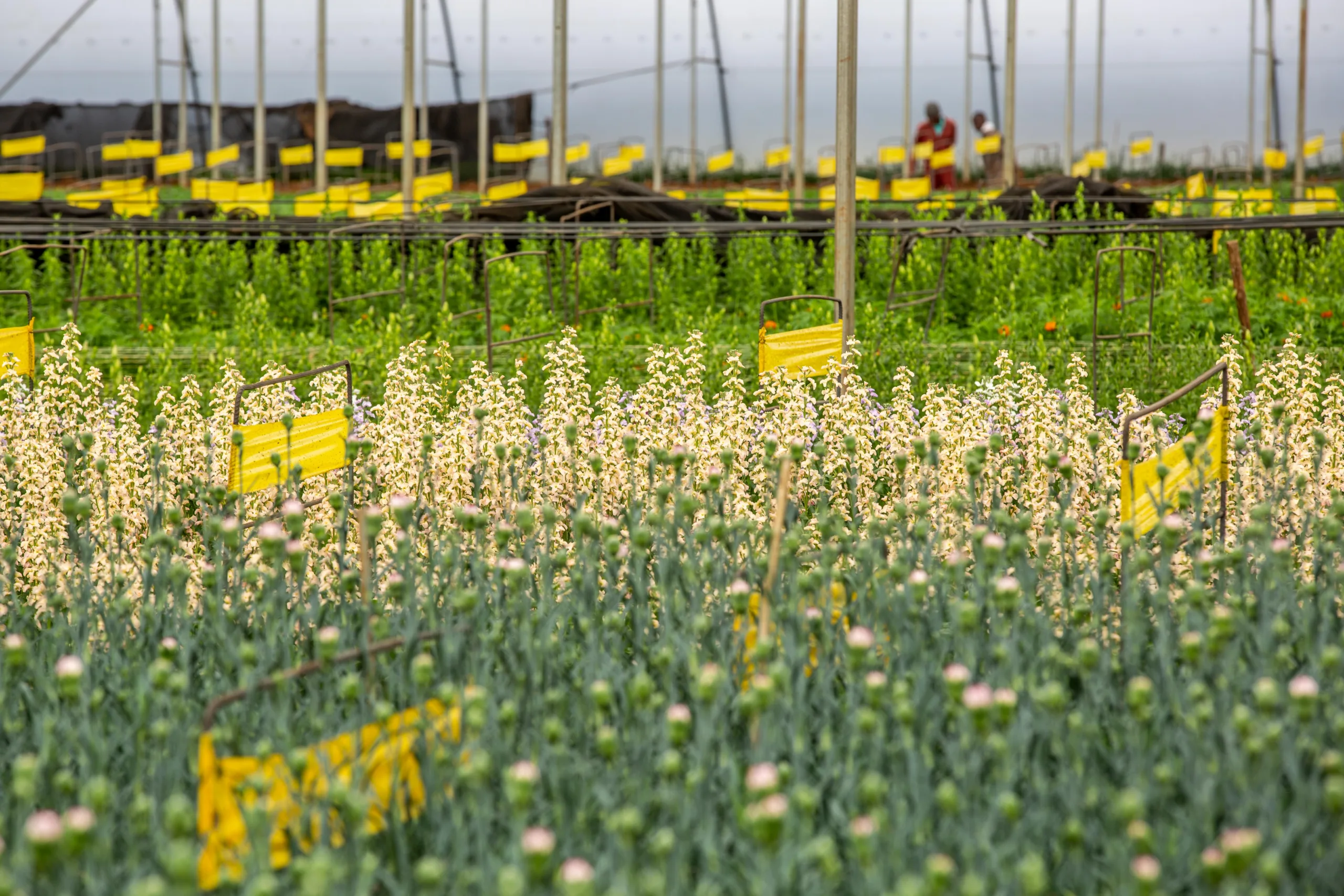
Over more than two decades, we have built a network of 88 active growers across Kenya, spanning a range of farm types, certifications, growing regions, and specialisms. That network is not a catalogue we scroll through when demand comes in. It is a living set of relationships, each one understood in depth, each one connected to specific buyers based on specific criteria.
This piece explains how that matching works, why it matters to the quality and consistency of what you receive, and what it means for your supply chain that someone is doing this work on your behalf.
Not All Flowers Are the Same, and Neither Are All Buyers
The Flower Hub™ serves a wide range of customers across the UK, the Middle East, Japan, Europe, and beyond. A wholesale distributor supplying UK supermarkets has fundamentally different requirements from a specialist importer buying for high-end florists in Tokyo. An event company sourcing statement stems for a single large event has different priorities from a national retailer that needs absolute consistency in head size and vase life across 52 weeks of the year.
Growers vary just as much. Some farms are optimised for volume and consistency on core commercial varieties. Others specialise in premium or unusual stems that require more complex growing conditions. Some have achieved certifications that make them the right choice for buyers with strong ethical sourcing requirements. Others are newer growers whose product quality is excellent but whose certification journey is still in progress.
Matching these two sides correctly is not a simple task, and doing it badly has real consequences: quality inconsistencies, failed specifications, supply chain risks, and buyers who receive flowers that were never quite right for their needs in the first place.
What We Look at When We Match a Grower to a Client
The matching process starts with understanding both sides in detail. On the client side, the key criteria we consider include:
- Product specification: the varieties, grades, stem lengths, head sizes, and vase life requirements the client needs, and how consistently they need them
- Volume and seasonality: how much product the client needs, across which weeks of the year, and how that demand changes around peak periods
- Market and end use: where the flowers are going and what they will be used for, which shapes what matters most in the growing and handling profile
- Ethical sourcing requirements: whether the client requires FSI-compliant sourcing, specific certifications on the farm, or evidence of particular environmental or labour standards
- Commercial relationship: the nature of the account, the level of customisation required, and the communication and service expectations involved
On the grower side, we maintain detailed knowledge of each farm in our network, including:
- Their product range and the varieties they grow well consistently
- Their certification status across the FSI basket of standards, covering the social, environmental, and Good Agricultural Practice pillars
- Their growing region and the seasonal patterns that affect availability and quality from that location
- Their capacity, lead times, and ability to handle specific volume requirements or unusual specifications
- Their track record with particular crop types, grades, and handling protocols
It is the intersection of these two sets of criteria that guides every grower-to-client match we make.
Responsible Sourcing Is Not an Add-On, It Is Part of the Match
As members of the Floriculture Sustainability Initiative (FSI), The Flower Hub™ has pledged to source 90% of our product from farms holding globally benchmarked certifications across the three core FSI pillars: Social, Environmental, and Good Agricultural Practice. This commitment shapes the grower relationships we build and invest in.
But responsible sourcing is not a binary status. Some growers in our network are fully FSI-certified across all three pillars. Others are working towards full compliance, and we actively support them on that journey, particularly where cost of accreditation is a barrier for smaller or newer operations. Knowing exactly where each grower sits on this spectrum means we can match them accurately to clients whose requirements reflect their own sourcing position.
A buyer who needs to demonstrate full supply chain accountability to their retail customers requires growers at a different certification level than a buyer operating in a market where that level of scrutiny is not yet standard. Getting that match right protects both sides.
Why This Matters More Than It Might Appear
Buyers who have not worked with a supply partner before sometimes assume that sourcing is primarily a logistics exercise: find the flowers, move the flowers, deliver the flowers. The grower matching piece can look like background detail rather than something that directly affects what arrives.
In practice, the opposite is true. The grower choice is where quality is determined, long before any handling, packing, or cold chain decision is made. A stem from a farm that understands the specific grade required for a particular market will outperform a stem from a farm that grows well but for a different specification. A stem from a grower whose growing conditions and harvest timing align with the buyer’s required vase life window will perform consistently in a way that a mismatched alternative will not.
The benefits of a well-matched supply network compound over time. When we have placed the right growers with the right clients, the relationship between grower and buyer stabilises, quality becomes more predictable, communication improves, and the grower is better able to plan their growing programme around known demand. That stability is part of what makes The Flower Hub™ a reliable supply partner rather than simply a sourcing intermediary.
Supporting Growers Who Are Still Growing
Not every grower in our network arrived fully certified and immediately ready for every buyer. Some of the strongest relationships we have built over the years began with growers who were earlier in their development but whose product, people, and commitment to continuous improvement were evident from the start.
We match these growers thoughtfully, pairing them with buyers whose requirements they can meet now while creating the conditions for their accreditation journey to progress. This approach reflects our broader view that a supply chain is not simply a pipeline of transactions. It is a set of relationships that reward investment, consistency, and shared standards over time.
Millie Seagon, founder of The Flower Hub™, has spoken about the responsibility that comes with operating within the Kenyan floriculture community at scale. Working with smallholder growers and newer farms, equipping them to meet international standards, and keeping them in a network that rewards their progress rather than discarding them the moment a better-certified alternative is available: these are commitments that shape how we think about supply chain building, not just supply chain management.
Over 1,600 Varieties. 88 Growers. One Point of Contact.
Our current product range spans more than 1,600 unique varieties, sourced from 88 active growers. The breadth of that network is what allows us to respond to a wide range of buyer needs without compromise. Whether you need a very large volume of a core commercial rose, an unusual filler variety for a specialist florist chain, or a specific certified stem for a buyer with a sustainability commitment, the answer is likely already in our network.
What we provide is not just access to Kenyan flowers. It is access to the right Kenyan flowers, from the right farms, matched to your specific requirements, managed by a team that understands both sides of the relationship in detail.
That is the work behind every order. It is why the match matters.
If you would like to discuss your sourcing requirements and how we build the right grower match for your business, we would be glad to talk. Get in touch by emailing us at enquiries@theflowerhub.co.ke.