How We Manage Day-to-Day Decision Making When Conditions Are Changing on the Ground
How We Manage Day-to-Day Decision Making When Conditions Are Changing on the Ground
Running a cut flower export business out of Kenya means operating in an environment where conditions can shift quickly. Weather patterns affect crop timing and quality. Freight capacity changes. Market demand fluctuates by season, by region and sometimes by the week. For a business that is responsible for delivering consistent, high-quality product to wholesale buyers across multiple international markets, the ability to make sound decisions quickly is not optional. It is the foundation of everything we do.
Read More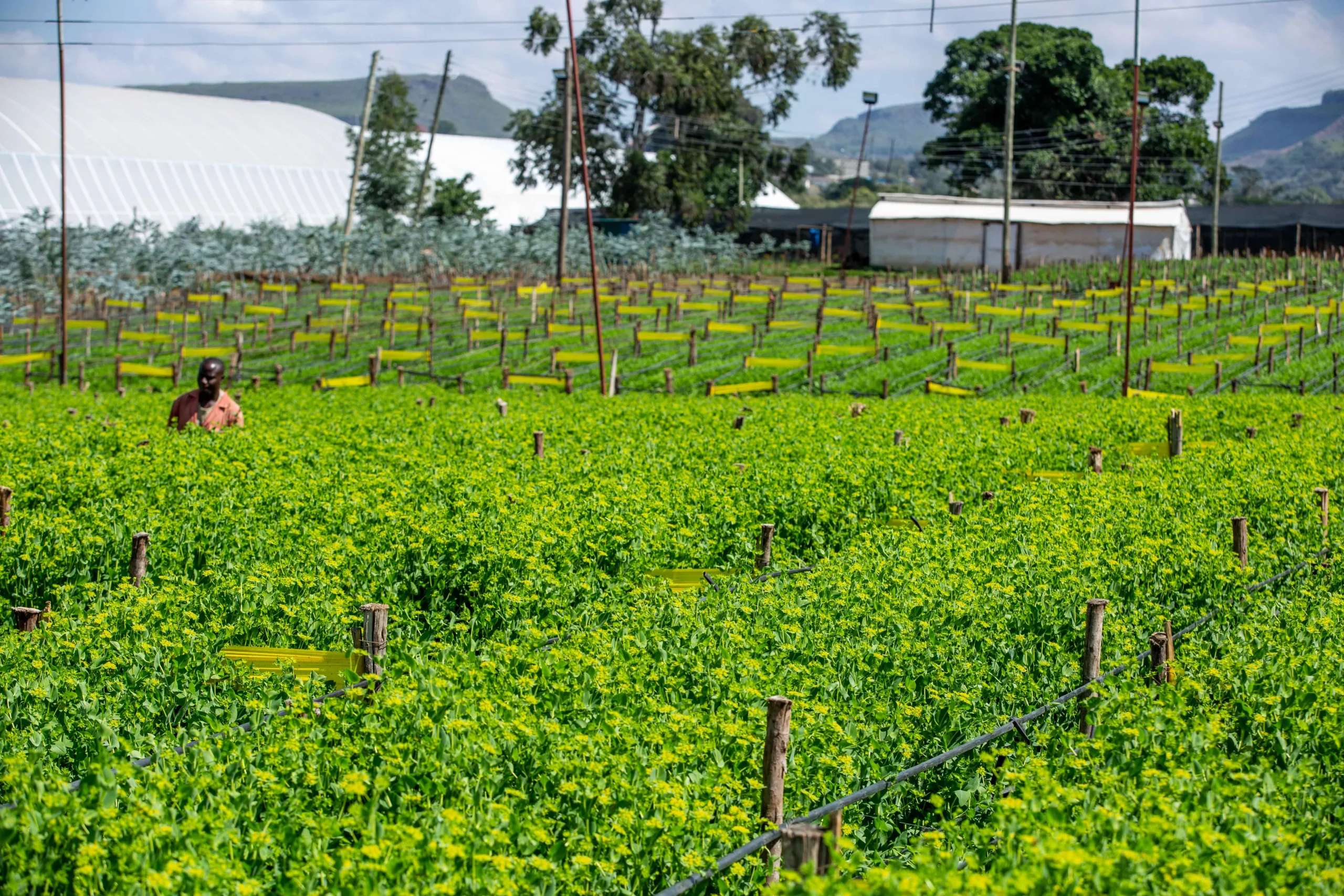



This is how we approach that challenge, and why the operational discipline behind our day-to-day decisions matters as much to our buyers as the flowers themselves.
How does The Flower Hub™ maintain consistent supply when growing conditions change?
The most important factor is the breadth and depth of our grower network. We currently source from 88 active grower partners across Kenya, covering more than 1,600 varieties. That scale means we are not dependent on any single farm or growing region. When conditions affect one area, we have the relationships and the flexibility to source from elsewhere without compromising on quality or certification standards.
We also maintain ongoing communication with our growers rather than treating them as transactional suppliers. We know what is growing, what is performing well, and what challenges individual farms are navigating at any given time. That intelligence allows us to make proactive decisions, not reactive ones.
What happens when a shipment does not meet the expected standard?
We take accountability for it. That is not a position we have arrived at recently; it is how we have always operated. When a consignment falls short of the standard it should meet, we communicate with the buyer immediately, we investigate the cause, and we address it. Our buyers do not have to chase us for answers.
More importantly, we work to prevent those situations by identifying problems as early as possible in the supply chain. Our quality checks happen at the farm, at the pack house and at the point of despatch. By the time product leaves Kenya, we have already had multiple opportunities to catch anything that does not meet our standards.
How do you manage freight and logistics when conditions are unpredictable?
Freight capacity on key routes can change significantly depending on the season, demand from other cargo sectors and global disruption. We manage this by maintaining strong, long-standing relationships with our freight partners and by planning our volumes as far in advance as possible. We do not leave freight to chance, particularly during peak periods.
When disruption does occur, whether that is a delay, a capacity issue or a change in routing, we communicate with our buyers as early as we can. Buyers who know what is happening in advance are in a far stronger position to manage their own customers than buyers who are kept waiting for information.
How does The Flower Hub™ decide which growers to work with?
Grower selection is based on three factors: their product offering, their quality record and their certification status. As members of the Floriculture Sustainability Initiative, we have pledged to source 90% of our product from farms that hold globally benchmarked certifications across the three FSI pillars: Social, Environmental and Good Agricultural Practice.
For newer growers and smallholders who are on the certification journey but not yet fully compliant, we take a longer-term view. We have supported several farms through the certification process because we believe in the direction they are heading and in the value of bringing more responsibly certified product into the market. That relationship-based approach is also how we maintain visibility of what is growing across our network and make better sourcing decisions as a result.
How do commercial pressures and sustainability commitments work alongside each other in practice?
For us, they are not in tension. Our B Corp certification, which we achieved in May 2025, formalised a commitment that was already driving how we operate. The 3% of profits after tax that we have committed to our CSR, Regenerative Horticulture and Environmental Projects is not a separate sustainability budget. It is part of how we think about the long-term health of the business and the supply chain it depends on.
Commercially, the businesses that perform most consistently over time are those with stable, well-managed supply chains and strong grower relationships. Investing in those things is both the right thing to do and the commercially sound thing to do. We do not treat them as alternatives.
What systems does The Flower Hub™ use to stay on top of day-to-day operations?
We have invested in the internal processes and documentation that allow us to track supply, quality and commercial performance across our grower network and our customer base. Our regional sales team operates with structured briefings that keep agents informed and aligned on what is available, what is performing and what buyers in their markets need to know.
We also run quarterly company updates for the full team, so that everyone, from our Kenya-based operations staff to our international agents, understands the direction the business is heading and their role in it. Decisions made at the operational level are better when the people making them understand both the broader commercial and company context.
Why does operational decision making matter to buyers?
Because the quality of our internal decision making is what determines the reliability of your supply. When we make good sourcing decisions, buy from the right farms, manage quality at every stage, plan freight carefully and communicate openly, the result is a buying experience that is consistent and predictable. That predictability is what allows our buyers to make commitments to their own customers with confidence.
A supplier who manages their operations well does not just deliver good product. They reduce the amount of time and management capacity their buyers have to spend on the relationship. That is a commercial benefit that is easy to underestimate until you have experienced the alternative.
Find out more about The Flower Hub™ and how we work: www.theflowerhub.com