Where Should Your Flowers Come From? Why Choosing Kenyan Flowers Matters
Where Should Your Flowers Come From? Why Choosing Kenyan Flowers Matters
A deeper insight into the Kenyan flower farming community, how this differs to European farming, and the benefits to choosing Kenyan-grown.
Read More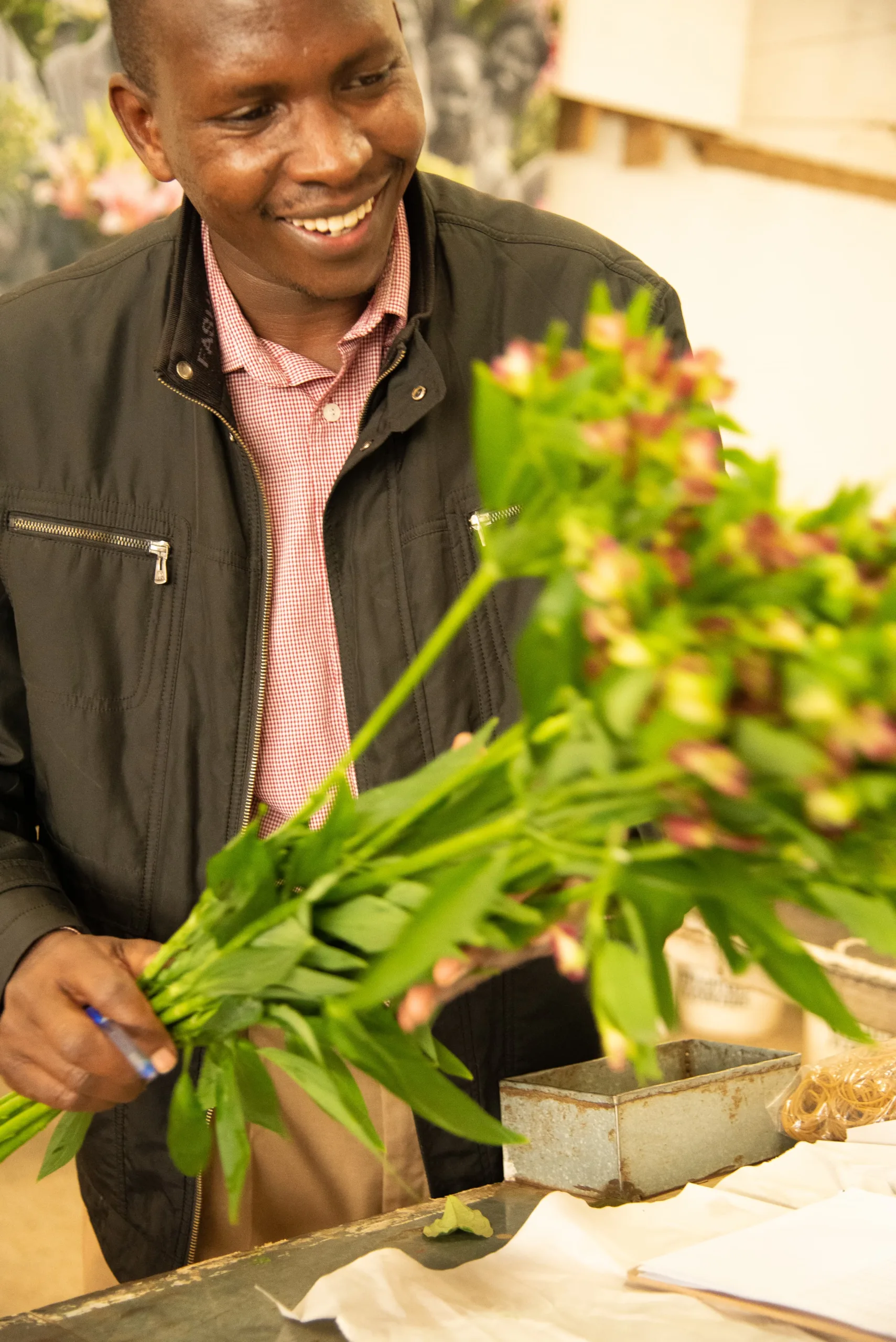
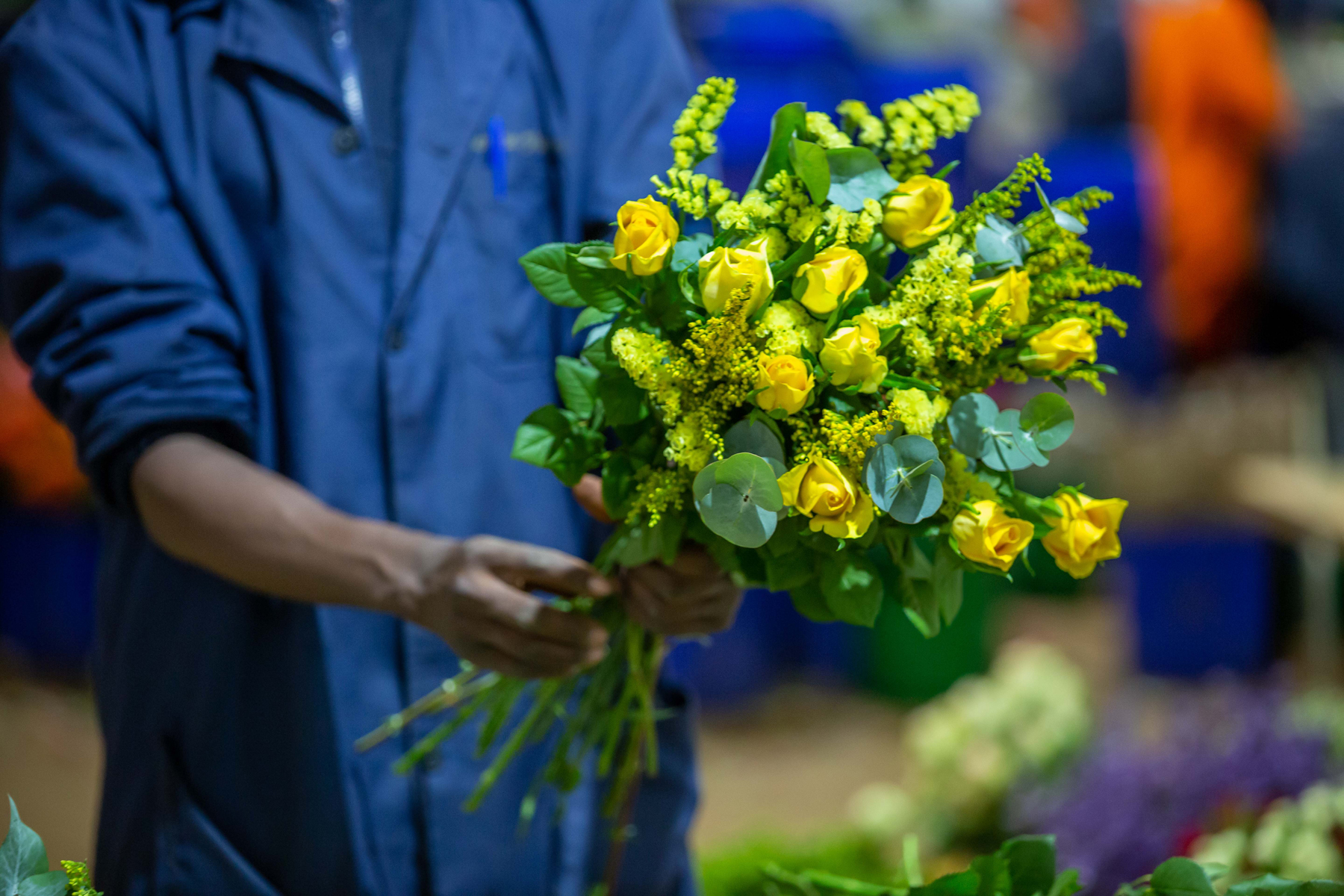
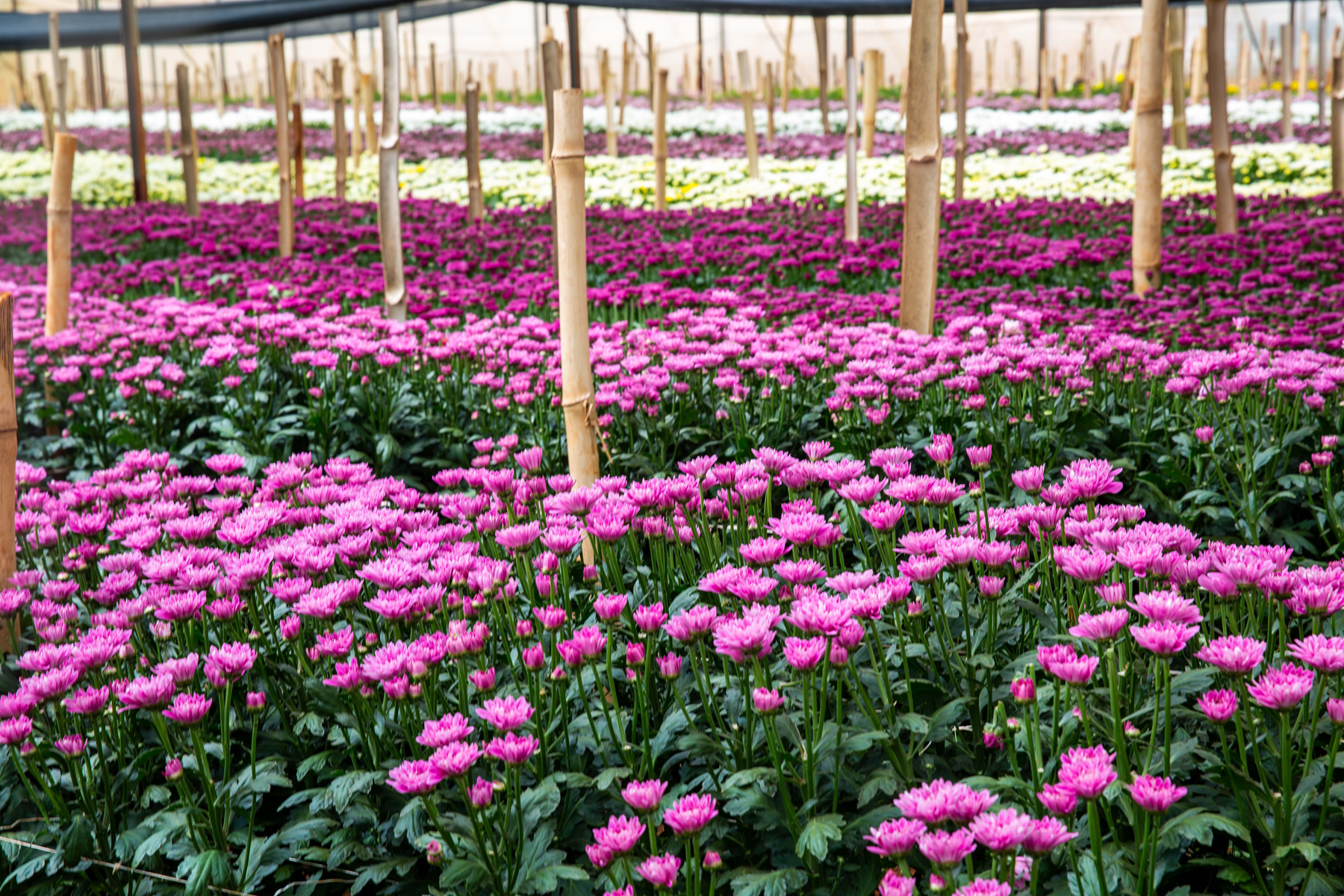
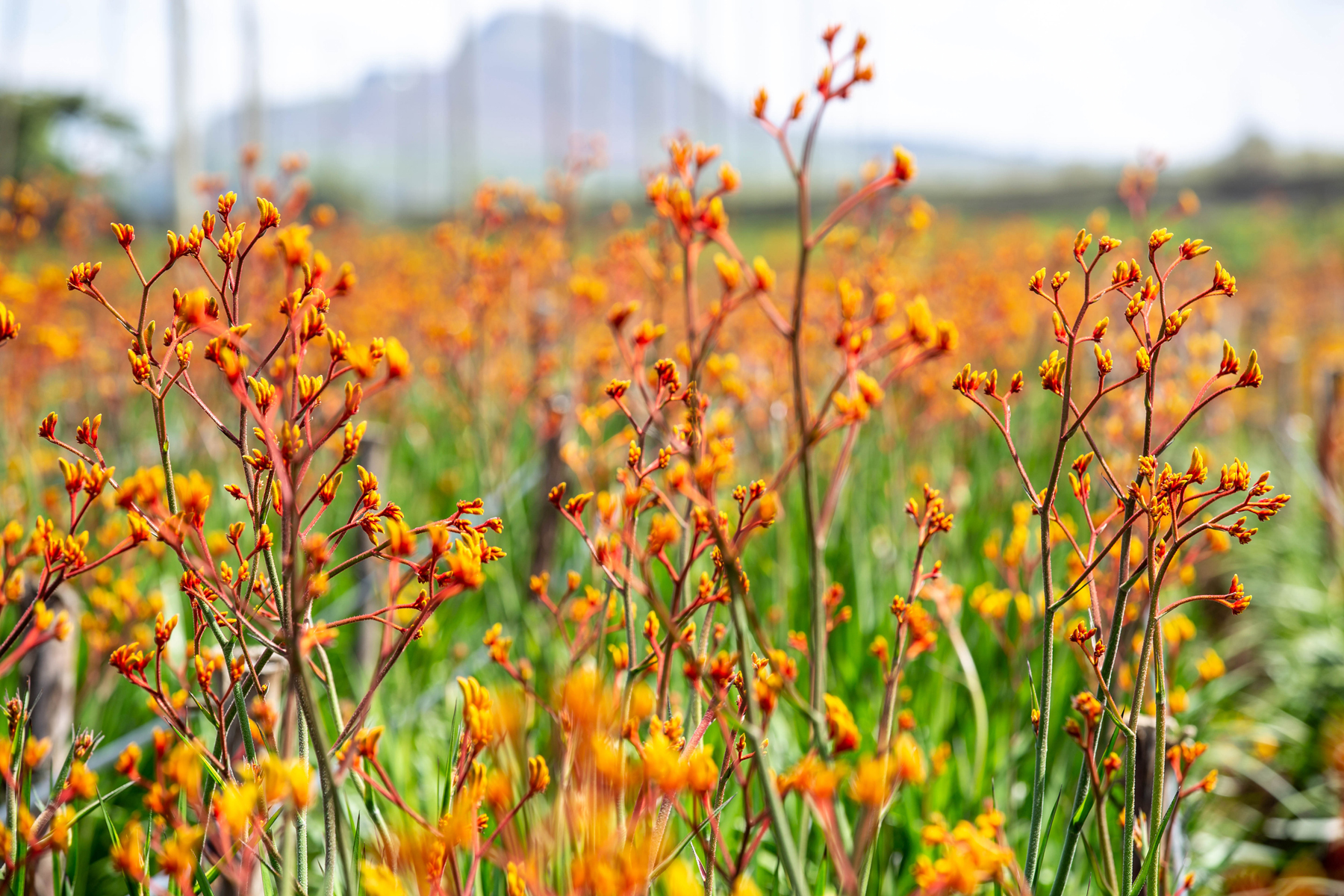
Flower enthusiasts everywhere will be familiar with that unforgettable feeling when you pick up that perfect bouquet of flowers; whether that be roses, lilies or otherwise, at your local florist or supermarket, and that feeling is one that we are so proud to be part of creating. But, aside from this moment, when you select your beautiful bouquet, it’s fair to say that you’re holding more than just flowers. These bouquets are the product of thousands of manhours, weeks of sunlight and water, and of course, a vast and complex global supply chain. This supply chain connects flower farms around the world: from Kenya to the Netherlands to Japan and the United Kingdom.
With this global supply chain, problems often arise around serious matters such as carbon footprints, sustainability and of course, ethical sourcing. Here at The Flower Hub, we wanted to share our story, the facts behind Kenyan flower farming, and why whilst we may be further away geographically from the United Kingdom, it might just surprise you to learn just how environmentally friendly our practices are. We are a B-CORP, after all.
When it comes to supporting Kenyan-grown farmers versus UK and Dutch farms, for example, many of the facts behind the headlines might surprise you.
How Are Flowers Grown In Kenya?
Natural Sunlight versus Artificial Lighting
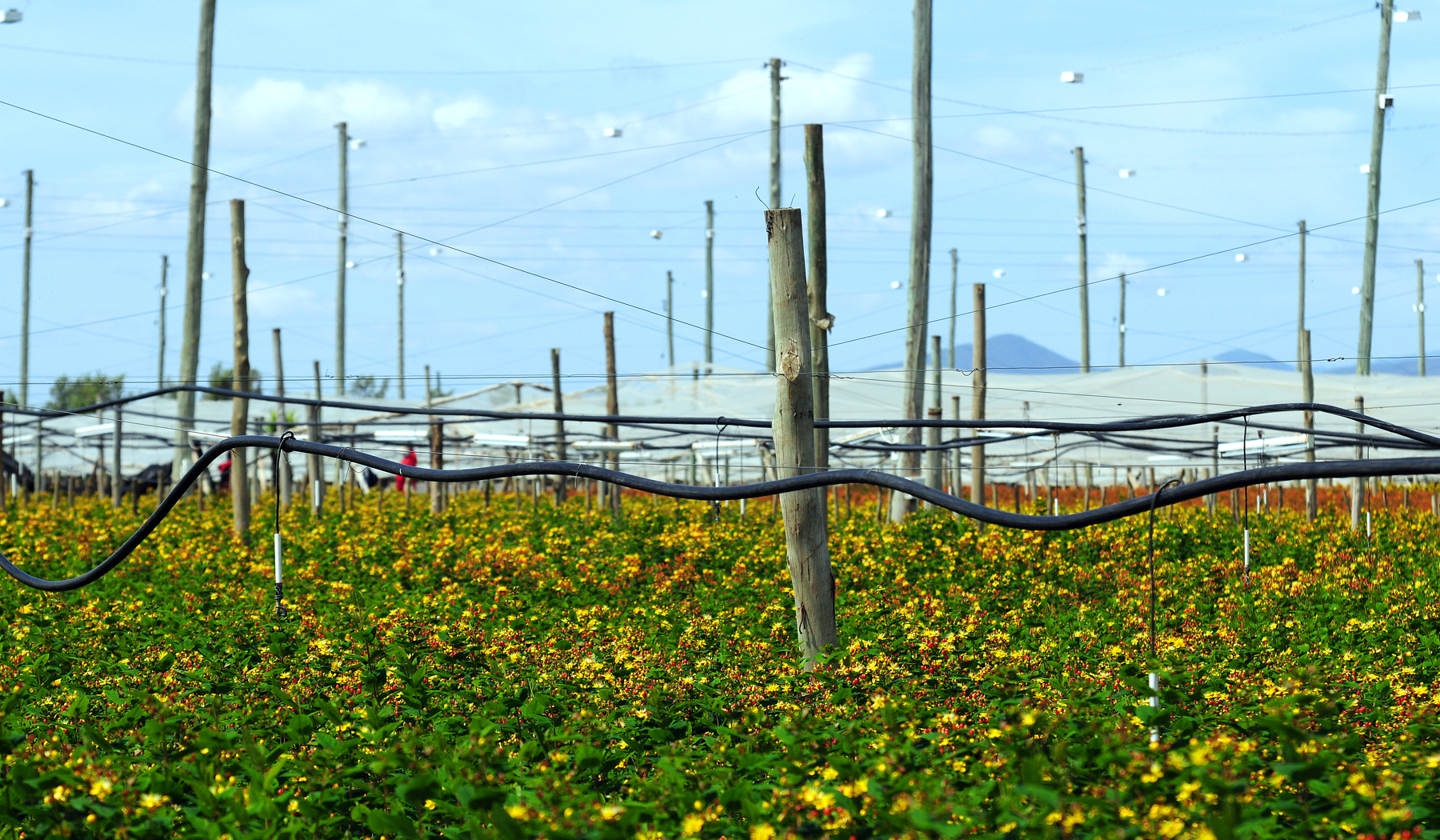
As flower growers in Kenya, we grow flowers outdoors or in naturally ventilated greenhouses using the natural power of the sun. The Kenyan sun shines for up to seven hours a day on average, across all seasons, and in the height of the summer months, temperatures can soar to thirty-degrees centigrade, and more importantly, is completely and utterly free; so not only do we have to add the cost of harsh, energy-zapping artificial lighting to our overheads, but we aren’t utilising these at all, so we are having no harmful impact on the environment as a result. In fact, overall, our energy input is terribly minimal, especially in comparison to the European energy-intensive greenhouses that you would typically find in the Netherlands.
What’s more, a major life cycle analysis conducted in the UK found that roses grown in Kenya and flown to the UK produce around 2,200 kg of CO₂ per 12,000 stems, while Dutch-grown roses emit over 35,000 kg of CO₂ for the same volume, which works out to be more than fifteen times higher.
Air Freight Costs Involved in Kenyan-grown Flowers
This may surprise you, but even with air freight calculations included, at The Flower Hub, and across Kenyan flower farm operations, our flowers often come out ahead of our European counterparts. Yes, really.
Whilst it’s true that most Kenyan flowers are air-freighted to ensure freshness, this doesn’t have as vast an impact on the environment as you would initially think so. Typically, Kenyan-grown flowers will travel in the cargo of commercial flights and passenger planes that are already flying as a result of tourism routes, which means that we are using up existing space and capacity, versus creating a need for extra flight routes, and therefore, additional carbon emissions.
Air freight in general really does not account for so much of the production emissions as many flower enthusiasts originally consider, either.Looking at the statistics, air freight accounts for around 15–30% of total emissions per stem. In fact, the bulk still comes from production and growth methods.
Kenyan Grown Air Freight vs European: The Stats
Let’s consider a typical bouquet: five roses, three lilies, three stems of gypsophila. This bouquet would, on average, emit around 31.13 kg CO₂ when sourced from Kenya, versus 32.25 kg CO₂ from Dutch sources. In contrast, a similar UK-grown seasonal bouquet emits just 3.29 kg CO₂ when flowers are in season. So while local flowers are great when available, Kenyan stems can still be more sustainable than Dutch-grown alternatives, even with the distance involved. Surprising, right?
What Sets The Flower Hub and Kenyan-grown Florists Apart From Other Farms Worldwide?
Supporting The Local Community
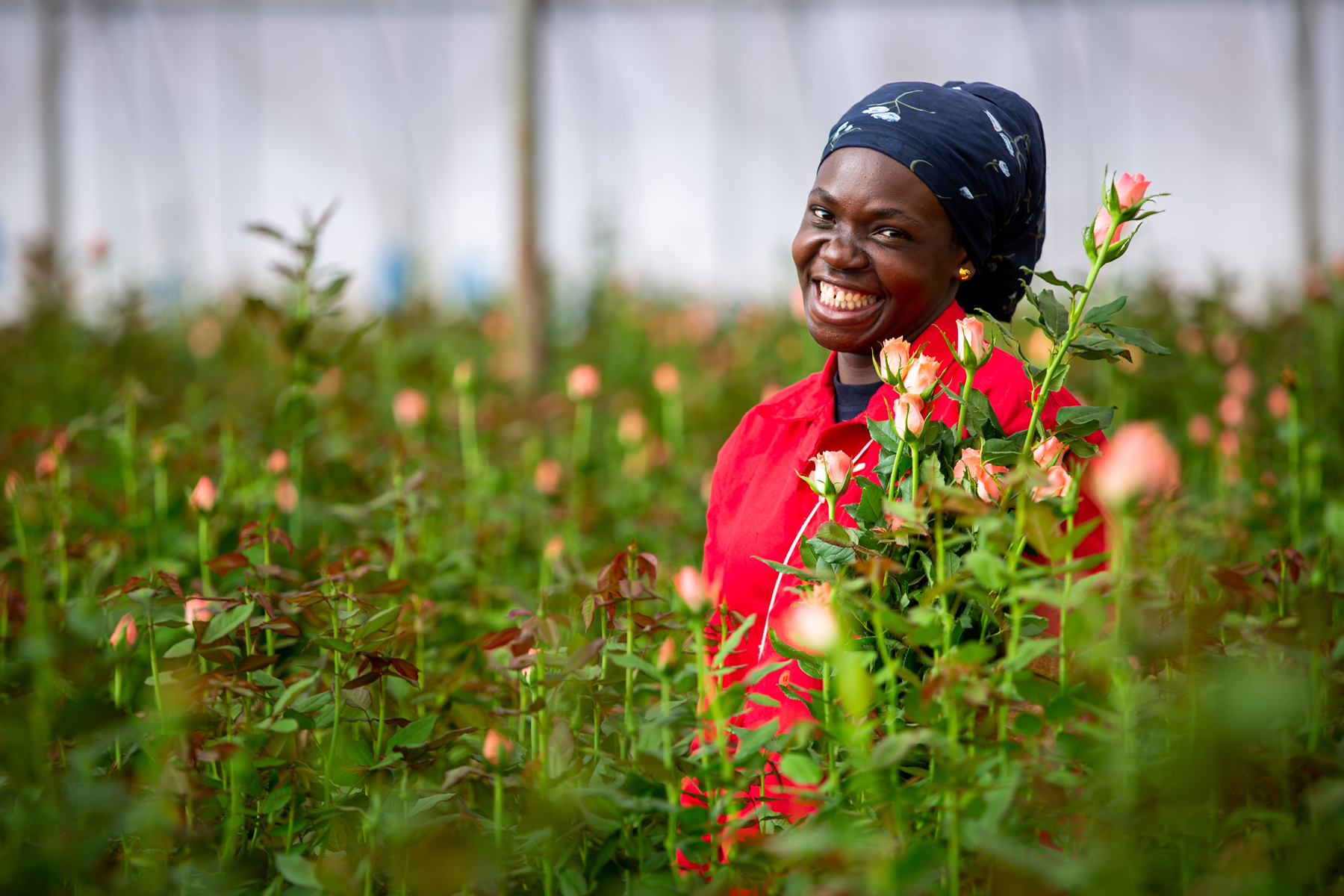
Kenya’s flower sector supports over 1,000,000 people both directly and indirectly: from packaging and transport to retail and logistics. For many of us, this industry is a gateway out of poverty and a path to stability. Women make up the majority of the workforce, often over 65% on many farms. This makes the Kenyan flower farm sector a powerful engine for gender equity, too.
Furthermore, as a country, in Kenya we export more than 180,000 tonnes of cut flowers each year, accounting for nearly 40% of all flower exports to the EU. This means that despite our extremely low carbon footprint, and in addition to our highly sustainable and efficient practices, as Kenyan flower farmers, we still manage to supply nearly half of all flowers into Europe each year. An achievement we are hugely proud of indeed.
Kenyan Florists, Doing Our Share For The Community
Additionally, one of the initiatives we are most proud of as Kenyan flower farmers, is alongside our community of many certified farms , we consistently invest part of our income into community initiatives, whilst also providing a wealth of opportunities including that of education, health and transport programs, to ensure we are giving back to our community. The very community that makes this all possible. As we’ve previously mentioned, your bouquet does far more than brighten a room. In fact, it helps build futures.
A Final Message From Us At The Flower Hub
Here at The Flower Hub, we grow flowers because it’s our passion. But we also grow them because it sustains our communities, sends our children to school, and keeps hope blooming, even when times are tough. So the next time you see a “Product of Kenya” label on a bouquet, know that it carries fewer emissions than you might expect, more social impact than you can imagine, and the care of growers like me, working every day to grow something meaningful.
Thank you for supporting ethical, sustainable flower farming in Kenya. We’re proud to share our blooms, our future, and of course, the future of our community with you, one bouquet at a time.