What Your Retail Partners Are Now Expecting from Your Supply Chain, and Why It Changes Who You Source From
What Your Retail Partners Are Now Expecting from Your Supply Chain, and Why It Changes Who You Source From: The rules of wholesale flower buying are being rewritten from the top down. Here is what that means for sourcing decisions.
How are the demands placed on wholesale flower buyers changing?
There is a shift happening in the wholesale flower industry that most buyers are feeling but few have named directly. The relationship between wholesale buyers and their retail partners, the supermarket chains, florist groups, hotel procurement teams and online platforms they supply, is becoming more formal, more contractual and more demanding.
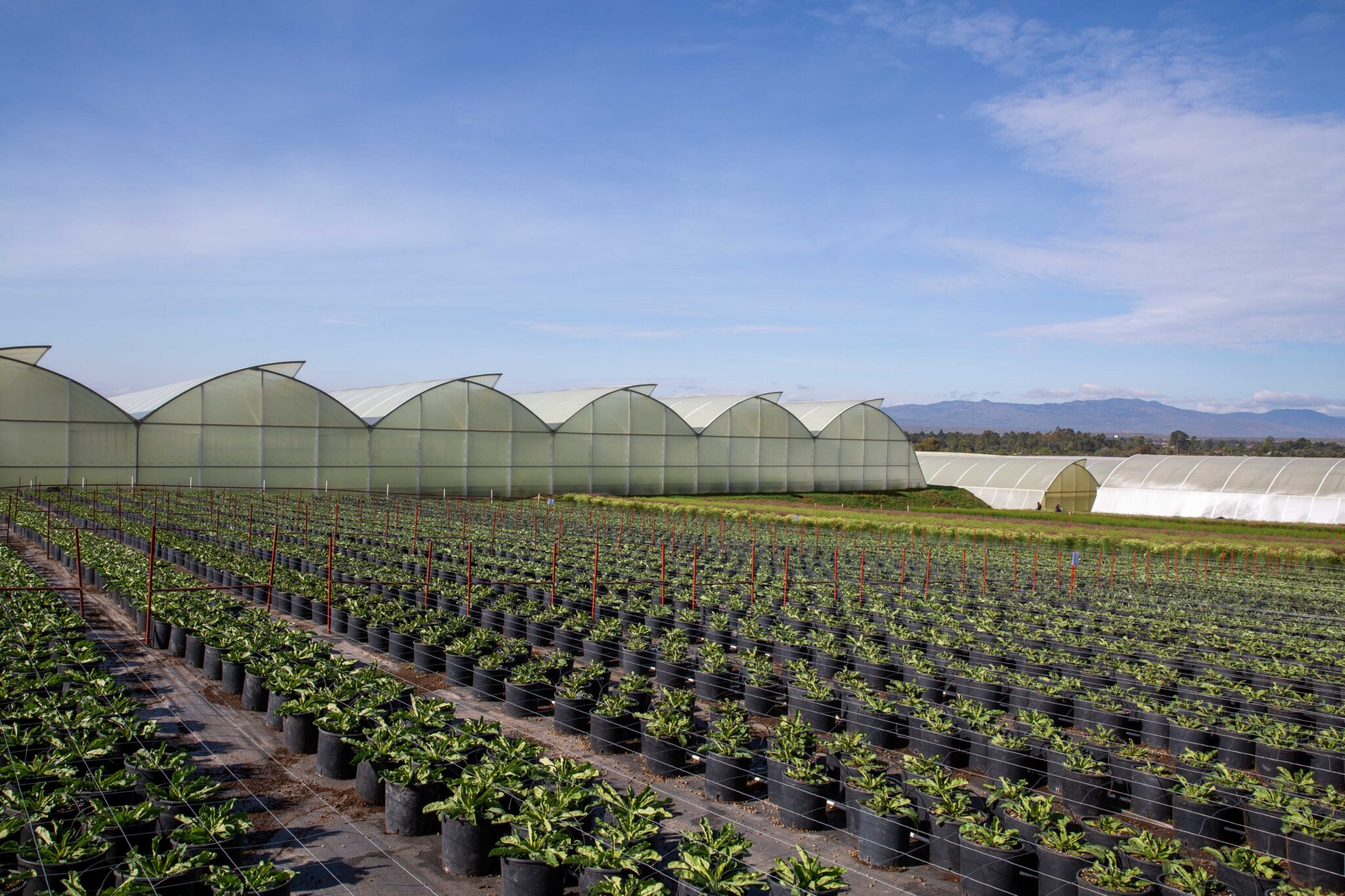
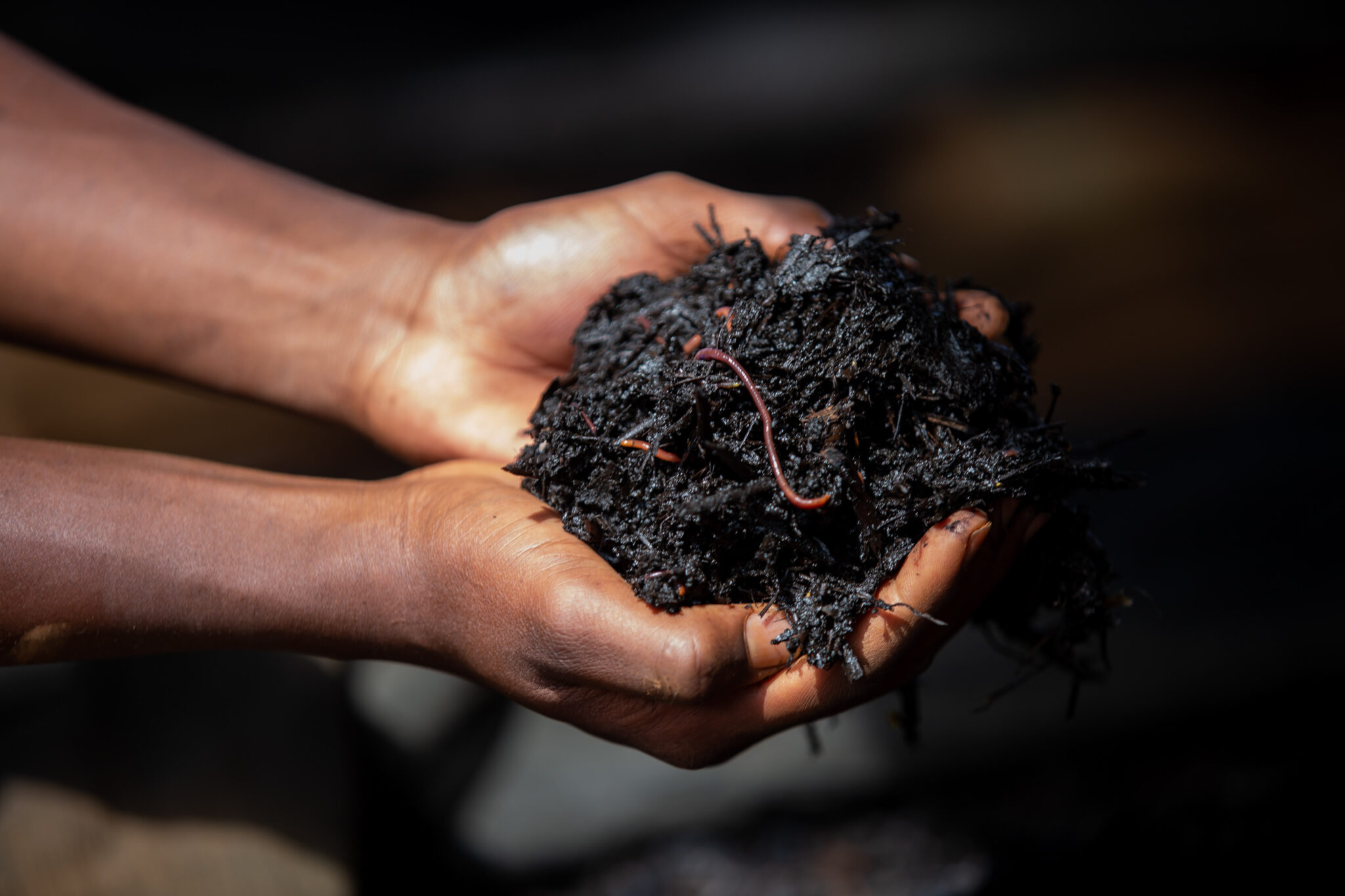
It used to be that a wholesale buyer who delivered good flowers on time and at an agreed price was meeting the full expectations of their retail partner. That is no longer reliably true. Retail partners are now asking wholesale buyers to demonstrate things about their supply chain that go well beyond product quality: where flowers were grown, under what conditions, by whom, and with what independent verification.
For wholesale buyers, this is not an abstract trend. It is showing up in supplier questionnaires, in updated codes of conduct attached to supply agreements, and in conversations with retail buyers who are themselves under pressure from their own boards and sustainability teams to demonstrate that their supply chain commitments are real rather than aspirational. The question for any wholesale buyer is whether their current sourcing arrangements can actually support those conversations.
What is driving retail partners to make these demands?
Two things are converging to drive this change, and understanding them helps explain why it is likely to intensify rather than ease off.
The first is consumer behaviour. Research consistently shows that a significant and growing proportion of consumers, particularly in the UK and across Europe, want to know that the products they buy have been produced responsibly. Retail partners who have made public commitments on ethical sourcing are under real pressure to back those commitments with evidence. When a customer, a journalist or a campaign group asks a supermarket chain where their flowers come from, the retailer needs a credible answer. That need flows directly down to the wholesalers they buy from.
The second is competitive positioning. Retailers who can demonstrate responsible sourcing credentials are using them as a genuine point of differentiation in their market. Those credentials are only credible if the supply chain behind them is certified, auditable and independently verified. Retailers know this, which is why the requirements they place on their suppliers are becoming more specific and more formal rather than simply more aspirational. A commitment on a website means nothing if the sourcing behind it cannot be demonstrated on request.
What does this look like in practice for a wholesale flower buyer?
The most immediate manifestation is in the paperwork. Wholesale buyers are increasingly being asked to complete detailed supplier questionnaires that ask about their own sourcing practices: which farms they use, what certifications those farms hold, how they manage quality at source, and what their process is when something in the supply chain falls short.
Some retail partners are going further and conducting their own audits of wholesale suppliers, or requiring third-party audits as a condition of supply agreements. In these situations, the wholesale buyer needs to be able to demonstrate their sourcing credentials not just in general terms but with specific evidence: named farms, current certification documents, audit reports and traceability records that confirm the chain of custody from growing region to delivery.
For buyers who have historically sourced through informal arrangements, or from suppliers who do not maintain systematic grower-level records, these requirements create a genuine problem. The information simply does not exist in a form that can satisfy a retail audit, and the buyer is left either scrambling to compile it retrospectively or, in the worst case, unable to meet a supply agreement condition.
Why does this change who a wholesale buyer should source through?
The answer is straightforward, though the implications are significant. If a retail partner requires a wholesale buyer to demonstrate that their flowers come from FSI-certified farms across all three pillars of the Basket of Standards, the wholesale buyer needs a supplier whose entire grower network meets that standard, not just a proportion of it.
If a retail partner requires traceability to farm level, the buyer needs a supplier who tracks every consignment from the point of harvest, maintains grower-level records, and can produce that documentation promptly when asked. A supplier who consolidates stock from multiple farms without systematic record-keeping at grower level cannot provide this, regardless of how good the flowers are.
And if a retail partner requires evidence that a supplier operates ethically as a business, not just that they source from farms that do, independent business-level verification such as B Corp certification becomes relevant in a way it was not before. It is not enough for the farms to be certified. The business sourcing from those farms needs to be accountable too.
These are not onerous requirements in principle. But they do require that the supplier a wholesale buyer works with has built the infrastructure to meet them. That infrastructure takes years to develop, which is why it is not something a supplier can simply acquire when a retail partner asks the question. It either exists or it does not.
What should wholesale buyers be reviewing in their sourcing arrangements now?
The practical starting point is to map the current requirements of retail partners against what the existing supply chain can actually demonstrate. Not what it could demonstrate in theory, but what it could put in front of an auditor tomorrow if required.
That means reviewing which certifications the current supplier holds and which their growers hold, what traceability records exist at farm level, whether those records are current and independently verified, and whether the supplier has any form of business-level ethical accreditation that a retail partner would recognise.
It also means having an honest conversation with retail partners about what they are likely to require over the next two to three years, not just what they require today. The direction of travel in retail sourcing requirements is clear. Buyers who build sourcing arrangements that can meet those expectations now are in a significantly stronger position than those who wait and then try to retrofit their supply chain when the question is already on the table.
How does sourcing through The Flower Hub™ address these requirements?
The Flower Hub™ has built its operation around exactly the kind of verifiable, auditable supply chain that retail-facing wholesale buyers now need. Our FSI membership requires every grower in our network to hold certification across all three pillars of the Basket of Standards. Our B Corp certification provides independent, publicly reported verification of how we operate as a business. And our grower-level traceability means that when a retail partner asks where a consignment came from, the answer exists in a form that can be shared.
We cannot change what retail partners are asking of the wholesale buyers they work with. But we can make sure that the buyers who source through us are in the strongest possible position when those conversations happen.
To find out more about how The Flower Hub™ can support your sourcing arrangements, visit theflowerhub.net or contact us at enquiries@theflowerhub.co.ke