The History of the Kenyan Flower Industry
Kindly researched and written by Billy Coulson, a founding shareholder of The Flower Hub.
Read MoreThe Kenyan Flower Industry – A background
Kenya’s horticulture sector is often heralded as one of sub Saharan Africa’s principal post-independence success stories. Kenya has become the region’s largest exporter of fresh fruit vegetables and flowers to Europe and these commodities are the third largest foreign exchange earners second only to diaspora remittances and tourism. Specifically cut flower exports contribute 1.5% to the GDP of Kenya and it is estimated that the sector employs some 150,000 people directly and 2,000,000 indirectly with a multiplier effect of between 8 and 10.
Along with Ecuador and Colombia, Kenya enjoys a number of geographical and climatic advantages that make it uniquely suited to this industry. It has fertile land, at the correct altitude, with water, located on or close to the Equator. Most farms are also located only 100 km from Nairobi, a regional hub. All these favourable factors facilitate the all year round production of flowers, fruit and vegetables of the correct quality which combined with a plentiful supply of skilled and versatile labour make it an ideal location for the industry.
Post Independence
Notwithstanding these obvious advantages the horticultural sector was a “ slow burner “ to start with in Kenya. From independence in 1963 and up to 1973 this sector was not regarded in government circles as having salience given it did not make large scale contributions to either employment or foreign exchange income. Exports of vegetables and flowers fell to below 3% of all exports during this period and the government concentrated its support instead on tea, coffee and tourism sectors for foreign exchange income; and large scale cereal farming for support for its ever burgeoning population locally.
The lack of governmental preexisting vested interest turned out to have significant hidden benefits in the long term for the sector. It allowed the Horticultural Crops Development Authority (HCDA) to develop a facilitative approach to private sector investment as there were no barriers to entry, save the logistical and relational barriers globally. As a result, HCDA was open to licensing any investors who showed an interest, so long as they would organise their logistics and buyer networks. The majority of registered firms by 1973, some 36 in total, were predominantly European and Asian Exporters and they had highly developed organisational and technical capacities for the time.
Bonde Nielson and Dansk Chrysanthemum and Kultur (DCK)
The most seminal of these early investors, in this pioneering phase of the industry, was Bonde Nielsen. His major contribution was to bring on board two politically connected shareholders who were able to secure the governmental support, not only for Nielsen, but for the sector in general which to date it had lacked. Nielsen was a commercial plant grower from the Danish Island of Funen. He was brought to Kenya by the then Minister of Agriculture, Bruce McKenzie, way back in 1969. On seeing the opportunities Kenya had to offer, Nielsen transferred the activities of his Danish Company, Dansk Chrysanthemum and Kultur (DCK) from Sardinia and Cyprus to Kenya.
This project enjoyed the support, as shareholders, of both Bruce McKenzie and the then Attorney General Charles Njonjo. At the time they were probably the two most powerful players in Government, second only to Kenya’s Founding President Jomo Kenyatta. As a result, The Ministry of Agriculture signed a 25 year agreement with DCK that gave the company concessions and a near monopoly. The company had access to local financing which was agreed at 40% of foreign equity plus loans (Danish Aid) for the first two years and 20% thereafter. A total of 23,000 acres of land with water in both Kibwezi and Naivasha was made available at peppercorn rates .
Oil Price Inflation 1973-1974
Concurrent to these local developments, globally there were some geopolitical issues that were favourable to the further development of the industry in Kenya. The most significant of these was the doubling of the price of oil by OPEC in October 1973, and an additional doubling again in January 1974. This was as a result of King Faisal of Saudi Arabia introducing an oil embargo to punish those countries that supported Israel during the Yom Kippur War. This was the first “oil shock” the world had experienced and the first time oil had been weaponised.
The resulting increase in oil costs had the long term effect of pushing the heating costs of growing flowers in Europe to an unsustainable level, the result was that over the remainder of the 20th century, the production base moved south to Africa for the European Market and to Colombia and Ecuador for the American market.
1970’s-1980’s
The next significant development in the industry in Kenya was the emergence of two other seminal projects in the late 1970s and 1980s.
RGR Evans (Dicky) was born in Cornwall in 1946 . He is still the owner of The Hemingway’s Hotel Group and not only a former Kenya and East African Rugby International, but the current owner of The Cornish Pirates Rugby Club .
Evans trained as a Civil Engineer at Kings College London graduating in 1967. Evans then landed a job which brought him to Uganda in 1969 as a consulting Engineer for the World Bank. Whilst lecturing at Makerere University, three of his fellow engineers were murdered in cold blood by Idi Amin. This resulted in Evans returning to Europe only to come back to Kenya in 1971 .
Homegrown
In 1982 Evans saw an opportunity and, along with a long term fishing friend, the late Patrick Pape, set up Homegrown on a rented Farm in Naivasha growing and exporting strawberries to the UK retailers. Very quickly there was urgent need for expansion and Flamingo Farm was purchased from Edward “Tubby” Block and further development of both KARI and Pelican Farms saw Homegrown emerge by the late 1980s as the major force in fruit and vegetable exports out of Kenya. In 1989 Homegrown ventured for the first time into flower production and by 1994 Homegrown had developed a vertical integration model between Kenya and the UK and controlled the entire supply chain.
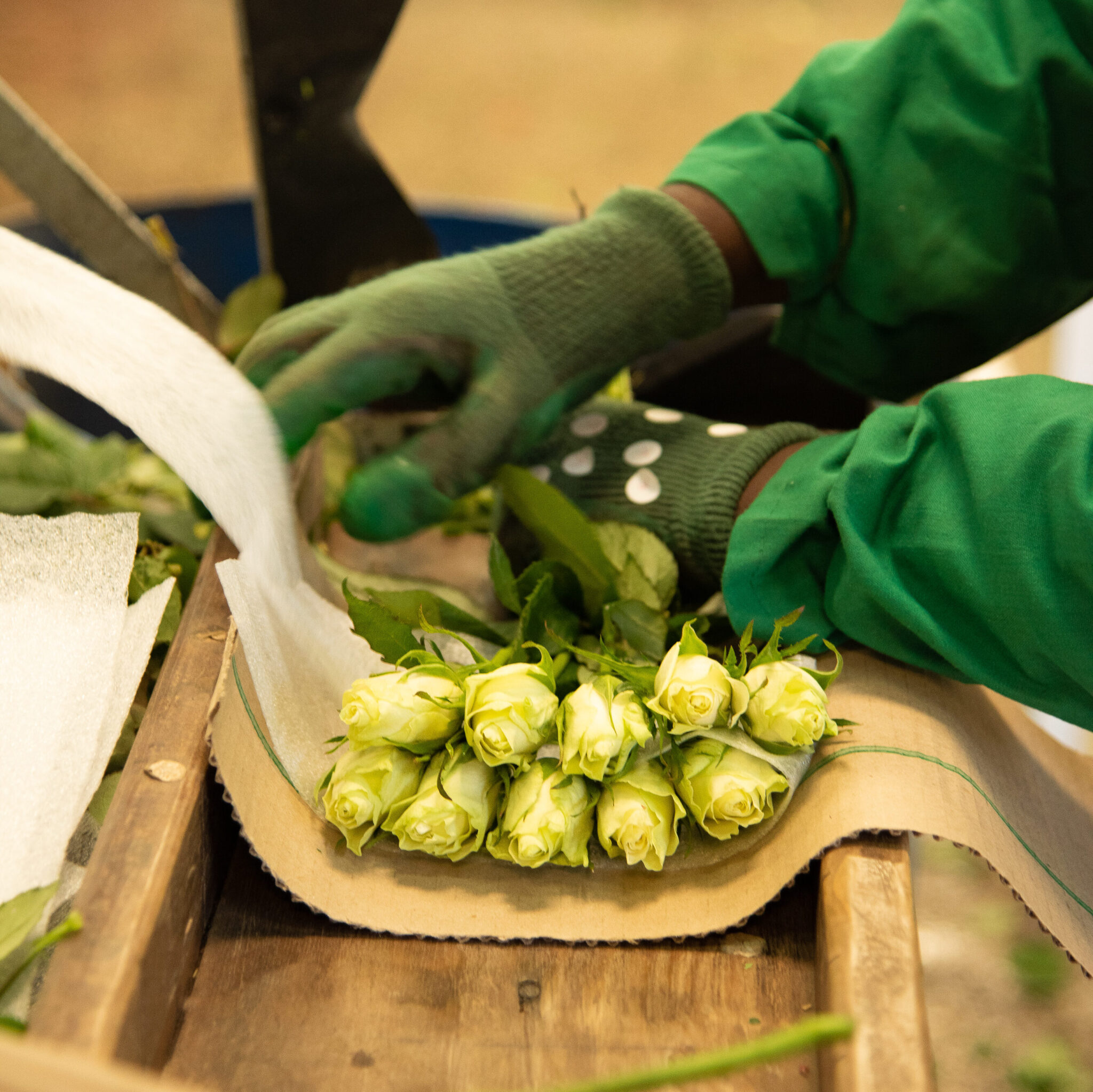
Throughout the 1990s Homegrown continued to expand purchasing the former DCK Naivasha Project from Commonwealth Development Cooperation in 2000- who had purchased it from Unilever in the late 1990s. This vast expansion of land area enabled Homegrown to significantly increase not only their own vegetable production, but also their roses. It was Homegrown, who in the late 1990s and early 2000s, were seminal in opening up the Mt Kenya area for flowers and vegetable production as a second major production base for the entire industry after Naivasha. It was also Homegrown who perfected and pioneered the ‘packed at source’ and direct-supply line model of flowers and vegetables to all the major UK Retailers.
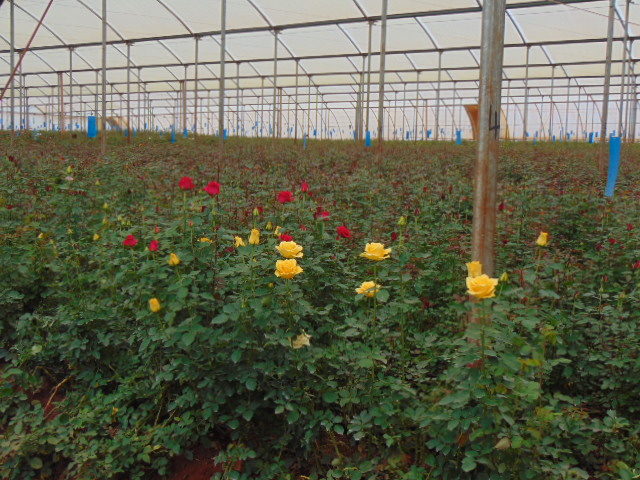
Homegrown > Flamingo > Finlay’s > Sun Capital Partners
By 2007 Flamingo Holdings, which overtime Homegrown had morphed itself into, had grown into the third largest exporter of cut flowers and vegetables in Kenya. It had grown into a multimillion $ vertically integrated horticultural business: growing, processing, freighting marketing and distributing cut flowers and fresh vegetables to the United Kingdom. It had six major production sites in Kenya and employed close to 6000 people.
In May 2007 it was sold to James Finlay Limited, a wholly owned subsidiary of John Swire & Sons Ltd. The primary rationale for this purchase by James Finlay was to facilitate their move from their traditional role as a cut flower producer to a vertically integrated cut flower supplier with UK access. The business was then further on sold to Sun Capital Partners in 2016 and is now one of the world’s leading growers and suppliers of cut flowers (sales of GBP 1.5 bn annually) fresh vegetables and house and garden plants. With over 22,000 employees, production in Kenya and Ethiopia remains right at the top of the industry.
Oserian Development Company Ltd
The third and perhaps most significant investor/ entrepreneur in Kenya’s cut flower sector was the late JEM Zwager (Hans) and his company Oserian Development Company Ltd (Oserian). Born in Holland in 1926, Zwager served in The Dutch Marines in World War II. He then trained as a Banker at ABN Bank, and was posted to Mombasa Kenya in 1956 as The Branch Manager. Zwager was a quiet, modest, intelligent man of vision.
Zwager saw the emergence of Independent Kenya in 1963 as an opportunity. His first business, started on leaving the bank at Independence, was importing spare parts and agrochemicals.
In 1969 he purchased Oserian Development Company Ltd at an auction. The property comprised 5000 acres of land on the Lake Naivasha shore along with a famous house known as the Djinn Palace modelled on a mansion in Seville Spain. The Djinn Palace has a notorious reputation in that it was once owned by the wife of Josslyn Hay 22nd Earl of Errol.
Starting with Statice…
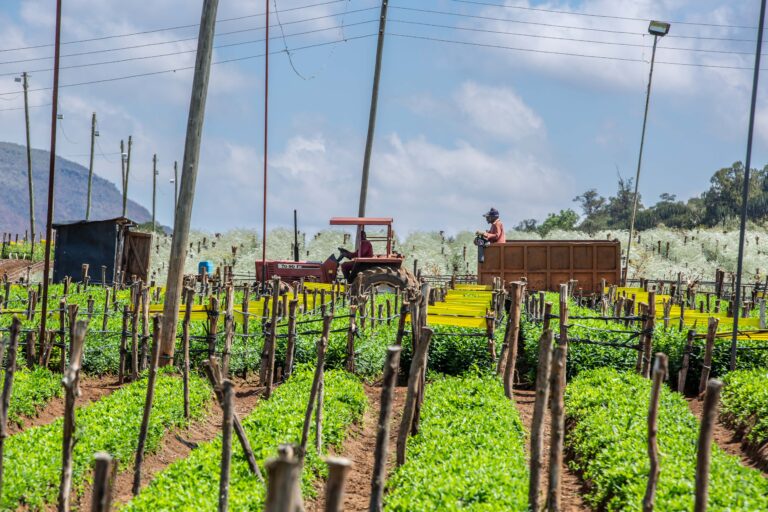
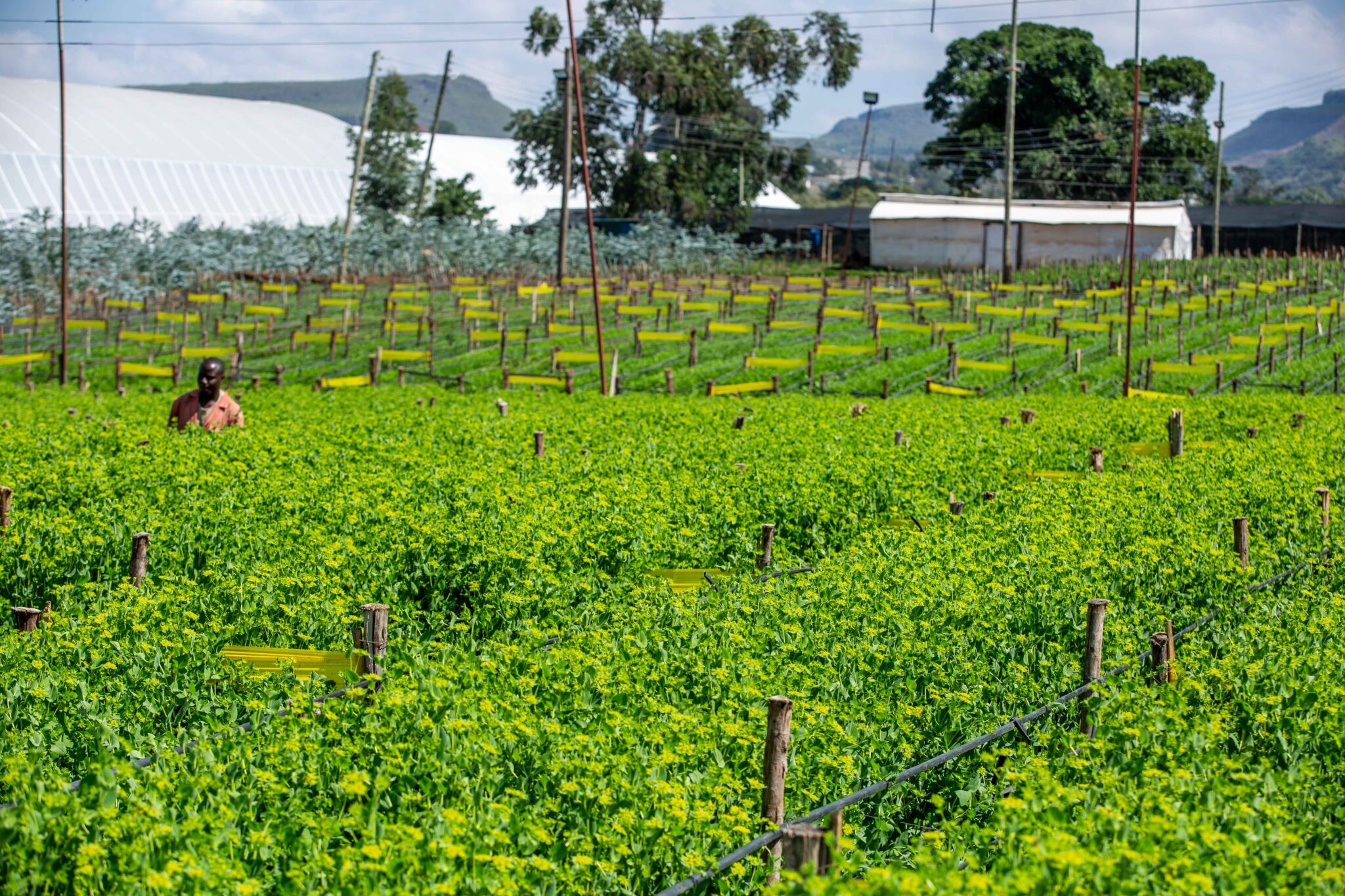
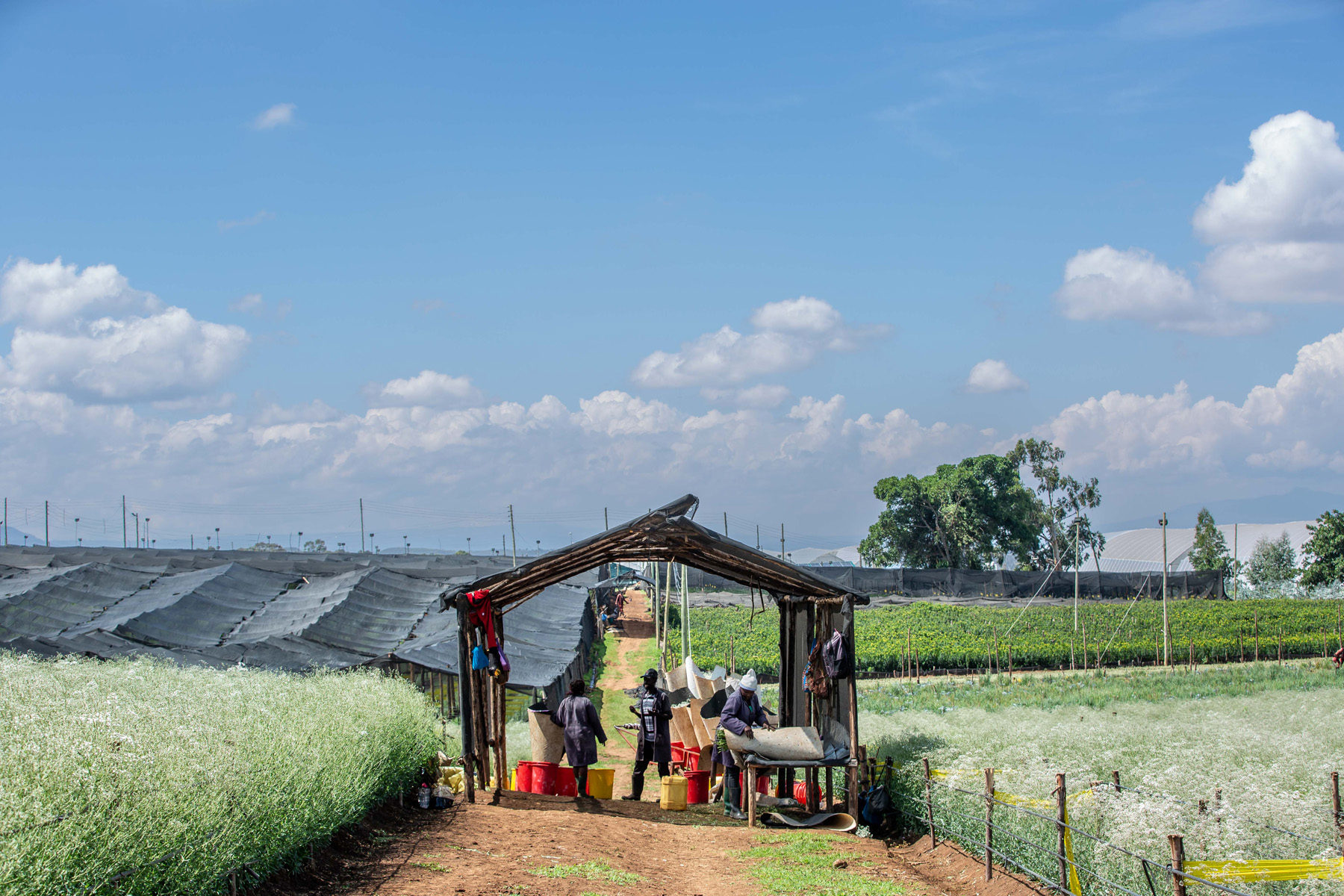
Oserian continued to function as a cattle ranch throughout the 1970s. In 1982 Zwager took the plunge and sold his chemical business Kleenway Chemicals to Bayer AG. He then moved to Naivasha, and commenced work to realise his vision of growing and exporting vegetables and flowers to the European Markets. His initial foray into vegetable production did not go well but his decision to grow statice was the game changer for Oserian. Statice is long lasting in the vase whether fresh or dried, and is easily dyed to make an attractive filler. It is also low investment and extremely efficient to freight. On the back of profits from statice, he soon developed and diversified into carnations. All products were unpacked and marketed via the Bloemenveiling Aalsmeer (VBA) in Aalsmeer which initially went well but a salutary and expensive lesson at the hands on an unscrupulous unpacker drove Hans to start his own unpacking operation in Holland East African Flowers BV.
…and then into Roses
The Emergence of Roses as a major export product in Kenya in the early to mid 1990s presented the visionary Zwager with more opportunity. His first step was to encourage the best rose propagator in the business Herman Stokman to set up on Oserian a JV propagating plants. He also invested, along with Herman Stokman, and their mutual friend Anton Pouw, the owner of the breeder De Ruiter in a JV breeding operation on Oserian. Concurrent to this he decided that it was time to diversify from the Dutch Auctions and set up World Flowers Ltd in the UK his distribution and marketing company for sales exclusively to the UK Multiples. Zwager was by 1994, in possession of the only truly fully integrated flower export business in Kenya.
Pure Genius
His next move was pure genius. In conjunction with vast expansion on Oserian itself, he encouraged various chosen investors both close by in Naivasha, and further afield in Thika and Kericho, to expand or diversify into roses. They were encouraged, and even financed on favourable terms by Oserian, to plants roses using Stokman Plants, De Ruiter varieties, ship with Airflo Airfreighting and unpacking and marketing via East African Flowers BV and or World Flowers Ltd. This was a “one stop shop“ for the new investor and an integrated multiple margin chain for Oserian beneficial to all parties. Some well known flower industry names emerged in the early 1990s from this strategy: James Finlay, Kijabe Ltd, Ol Njorowa Ltd and Mosi Ltd – all diversifications from tea, wheat, road construction and coffee were amongst the earliest examples with Vegpro, NINI, Suera, Branan, Batian and Kiliflora coming on board later in that decade.
The Creation of the Tele Flower Auction (TFA)
So successful was the Oserian Group in the mid 1990s on the Dutch Auctions, that there was a deliberate strategy to introduce an unofficial quota for Kenyan product. Out of the blue, in early 1995, the Dutch Auction body announced a ban on Kenyan product from May to September each year going forward. This was an attempt to protect their local growers who mainly produce in the summer months. Zwager moved quickly purchased a suitable property at Noorddamerweg, near the VBA premises, and moved EAF his unpacker to these premises. Concurrently he set up the very first computerised flower Auction in the world known as the Tele Flower Auction (TFA) which was supplied all year round exclusively with Flowers from East Africa.
The end of the Oserian Group
Sadly, Oserian was eventually broken up with the marketing and airfreight arms being sold to Dutch Flower Group (DFG) in 2010; and the Tele Flower Auction to Flora Holland a year earlier, in 2009. The farm itself was sold to Bohemian Flowers Ltd in 2019, a subsidiary of Elite Flowers, a family owned, Colombian based, integrated flower company, growing 1000 ha of flowers in Colombia, Ecuador and Kenya.
Kenya’s Horticultural Industry today
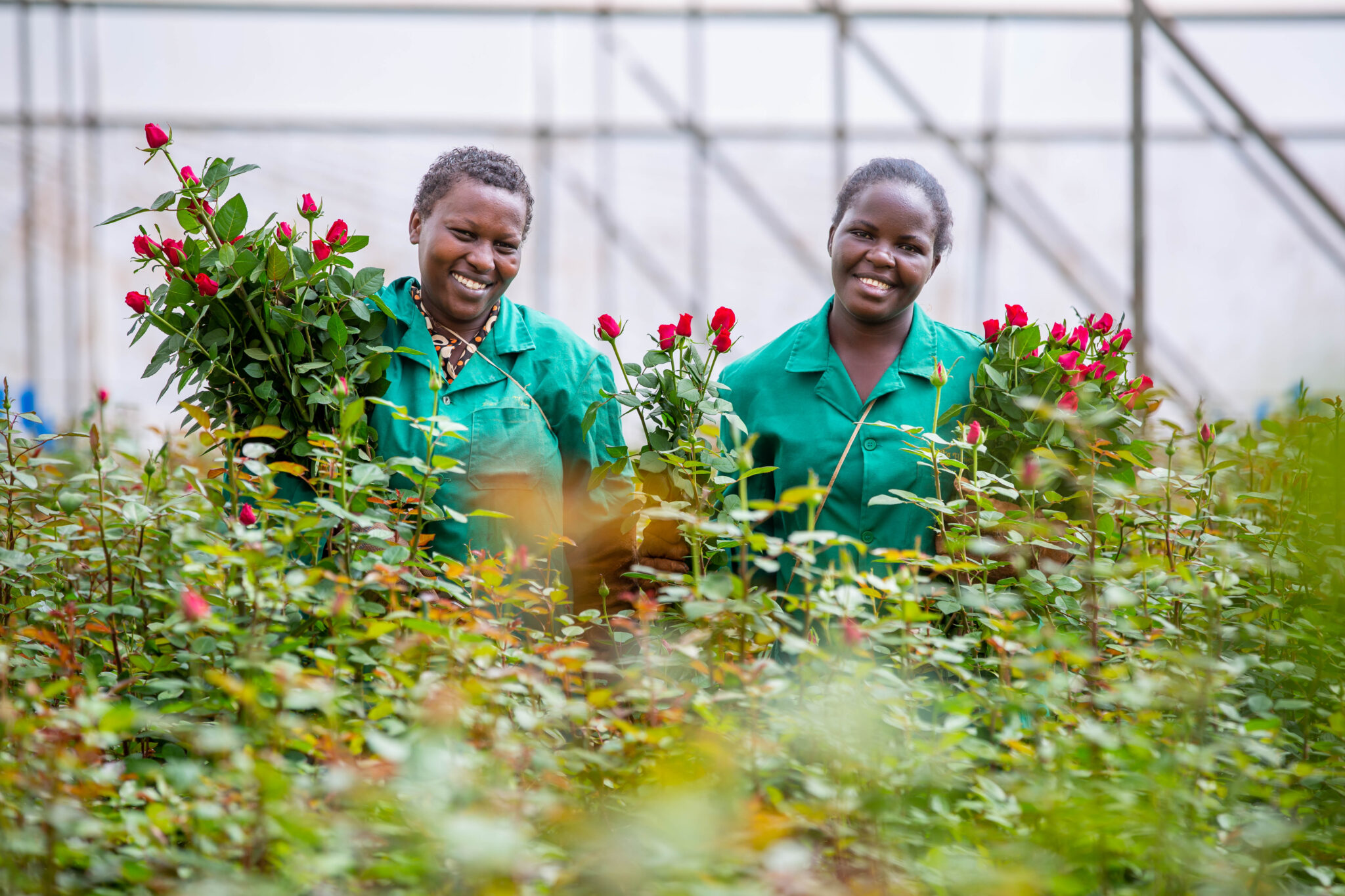
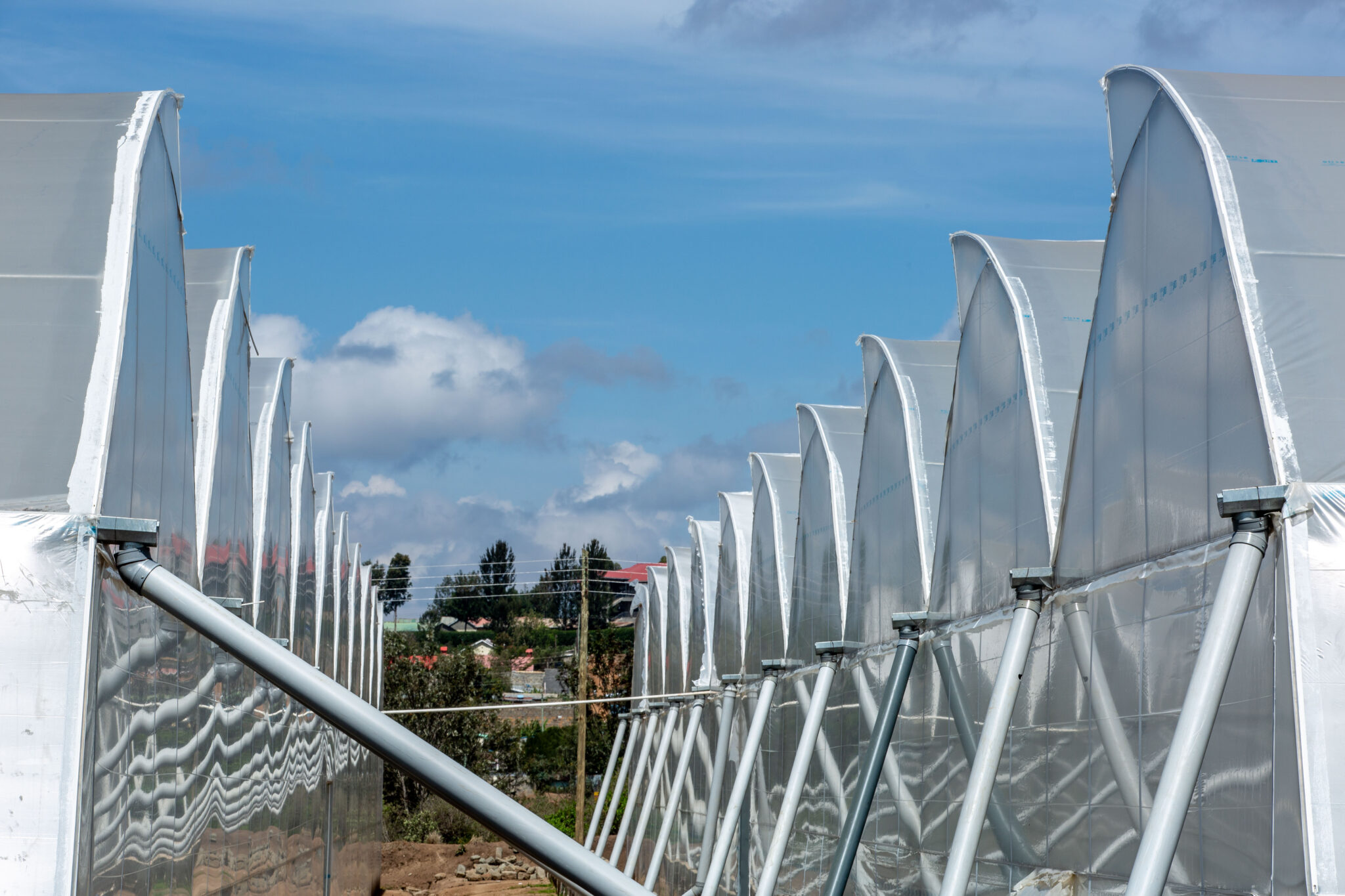
In more recent years, the industry has matured and Kenya has increased its market share of the cut flower market significantly. As of 2022, one in every three roses sold within the EU comes from Kenya. The industry in general worldwide has grown from a turnover of US$ 3 billion in 1950 to US$ 28 billion in 2022. Of this figure 50% are roses, lilies, tulips, carnations and chrysanthemums . Flowers are now grown in 80 countries round the world, and sold commercially in over 150. Today there are significant, increased, pressures within the businesses on costs as more and more money is being spent on sustainability, R&D and packaging.
Air freight, as a model, is being questioned from a sustainability perspective, and sea freight being utilized as an alternative. With the increase in the sheer volumes of stems sold, flowers have been in most cases commodified. Naturally the reaction to this is a rapid consolidation of the production base taking place in Kenya (this already happened in Colombia and Ecuador some time ago). As a consequence, some very big players are emerging who are not only flower exporters but often also in fruit, vegetables and avocados, and are fully integrated to boot. The really significant groups that look like they will be dominating the industry going forward are: Vegpro, Flamingo, Black Tulip, the NINI Herberg DFG group, Shalimar, Triple A, Subati, Timaflor, Kariki and Colour Crops.
In summary for an industry that initially emerged in slow time, its rise over the last 25 years has been stellar. We must not forget the contribution to this success of the big three pioneers whose vision and energy facilitated the consequent growth:
Bonde Nielsen of DCK who brought into the industry the much needed political support to encourage more investment in the earliest of days.
Dicky Evans of Homegrown, who through sheer force of personality, drove the vegetable, flower and packed at source model and forced open the doors into the UK Retail Multiples.
Hans Zwager of Oserian the visionary who perfected the classic vertically integrated model and included associated growers which was a strategy way ahead of its time. It is to Hans that so many who are still thriving within this industry at every level owe an enormous debt of gratitude. He was without doubt “The Father of The Kenyan Flower Industry”.